
Ever thought your outfit could be more than just a look? Imagine smart tech woven right into what you wear. Picture a little computer on your wrist that watches your steps, checks on your heart, and even gives you a quick alert when something’s up. It turns your everyday style into a smart, techy vibe while keeping track of your health.
In this post, we’re diving into wearable tech, what it really is and how it’s twisting everyday fashion into something fresh and innovative.
Wearable Tech Explained: Definition and Key Concepts
Wearable tech means small electronic gadgets you can wear on your body. These gadgets pack in sensors and mini computer parts that help track your steps, keep an eye on your heart rate, and even let you see alerts without needing to pull out your phone. It’s like having a mini-computer on your wrist, pretty cool, right? I mean, imagine a smartwatch that tells time and checks your heart rate as you breeze through your day.
At first, these devices were just niche gadgets. But then, smartphones showed us how connected, hands-free tech can change our lives. Now, wearable tech is a part of everyday style and makes our routines a bit smarter. There are lots of options out there, like:
| Type | Description |
|---|---|
| Smartwatches | Timepieces that also track your fitness and health stats. |
| Fitness Trackers | Devices that monitor your exercise and activity levels. |
| Smart Jewelry | Accessories that blend tech with style. |
| Smart Clothing | Wearable fabrics with built-in sensors. |
| Implantable Devices | Tech placed under the skin for specific health functions. |
| Head-Mounted Displays | Gadgets like smart glasses that overlay digital info. |
These devices are built to work hands-free and share info in real time through Bluetooth or Wi-Fi. When linked to your smartphone or other tech, they give you quick access to things like step counts, sleep tracking, or notifications that pop up as you go. In truth, this blend of style and tech makes everyday life a little more connected and a lot more fun.
what is wearable tech: Embracing Smart Style
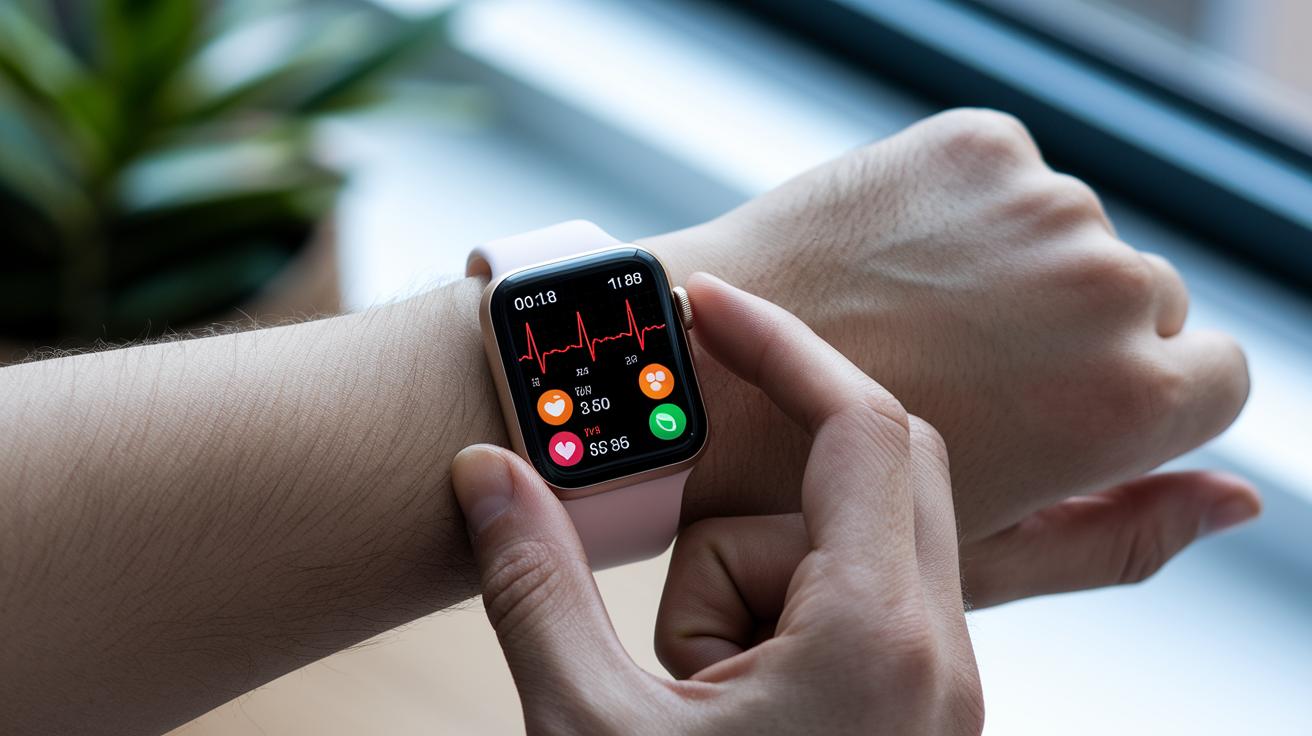
Wearable tech is truly changing our everyday lives. These smart gadgets mix tech and style, tracking things like your health, activity, and notifications with ease. What used to be niche gadgets now monitor everything from vital signs to connectivity cues, making modern living feel a bit more high-tech and laid-back.
Smartwatches
Smartwatches, such as the Apple Watch Series 10 and Ultra 2, keep an eye on your body’s signals. They can check your blood oxygen, body temperature, and even detect falls. Plus, with FDA-cleared ECG functions, they give you a closer look at your health, like having your own mini doctor on your wrist.
Smart Jewelry
Smart jewelry is a subtler option for those who don’t want to stand out too much. Think of pieces like the Oura Ring or the soon-to-be-released Samsung Galaxy Ring. These stylish accessories track your sleep and recovery, letting you monitor key health markers without sacrificing your everyday look.
Fitness Trackers
Fitness trackers, like the Fitbit Charge series, Garmin bands, and Whoop (which comes with a subscription), are designed to keep your workouts interesting. They record data like your steps, heart rate, and calories burned so you can see how well you’re doing and stay motivated.
Smart Clothing
Smart clothing takes tech to a whole new level with fabric that senses your body. This includes sensor-embedded shirts, smart socks made by Siren for diabetic care, and compression wear that helps analyze muscle activity. They all work together to track your heart and lung activity in real time, just like your own personal fitness coach.
Implantable Devices
Implantable devices are where things get really futuristic. With small chips like NFC and RFID, these devices let you make contactless payments or open doors securely. And with early work on brain-computer interfaces, technology is slowly becoming a part of us in a way we never imagined before.
Head-Mounted Displays
Head-mounted displays, like the new Apple Vision Pro, are merging augmented and virtual realities. They offer immersive experiences that change how you work and play. Imagine stepping into a digital world that feels as real as your favorite runway, cool, right?
Each of these devices shows how tech is woven into our daily routines. With hands-free operation and instant data sync through wireless connections, wearable tech makes sure your digital life is always close at hand, whether you're working, exercising, or simply enjoying your day.
Core Features of Wearable Tech: Sensors and Connectivity
Wearable tech is seriously cool. These devices come loaded with a variety of sensors that help you stay in tune with your body every day. They use simple gadgets like pulse oximeters (that check your blood oxygen), body-temperature monitors, and ECG electrodes to keep an eye on your heart and overall health. Even smart clothing gets in on the action with pressure and strain sensors that track what your muscles are up to. And hey, NFC/RFID chips let you do quick, secure contactless actions, while spatial sensors in head-mounted displays turn digital dreams into a real-life experience.
| Feature | Technology | Example Device | Application |
|---|---|---|---|
| Motion Tracking | Accelerometers and gyroscopes | Smartwatches | Real-time activity monitoring |
| Health Monitoring | Pulse oximeters, ECG electrodes | Fitness trackers | Vital sign tracking and alerts |
| Immersive Interaction | Depth sensors and cameras | Head-mounted displays | AR/VR experiences |
And there’s more, connectivity is the heartbeat of wearable tech. These devices sync data non-stop via Bluetooth or Wi-Fi with your smartphone or other systems. This constant flow of information turns every tiny movement into real-time insights, making wearables a must-have for staying connected and in the know throughout your busy day.
Benefits and Applications of Wearable Tech
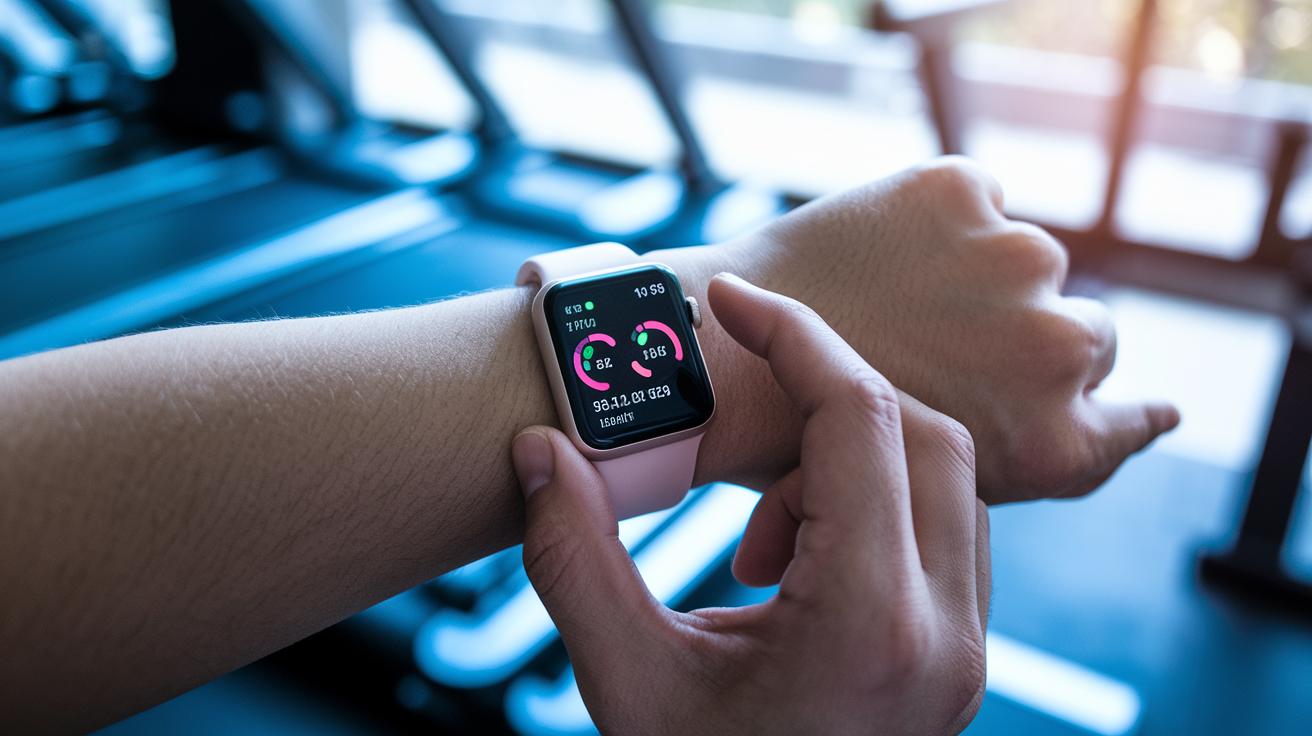
Wearable tech is like a smart buddy that keeps tabs on your health throughout the day. It watches your heartbeat, tracks your sleep, and even notes your daily movements. And it doesn’t stop there, it pops up notifications right on your wrist so you can stay in the loop without breaking your flow.
These handy devices are a game changer for anyone into health and fitness. They give you live updates during your workouts, sharing tips on how to pace yourself and recover better afterwards. Whether you’re on a morning jog or pushing through a tough gym session, the feedback feels like having a coach with you, turning all the collected data into neat advice.
But that’s not all. Wearable tech also makes life a bit smoother in your everyday routine. It lets you pay for things with just a tap, helps you navigate without fumbling for your phone, and even lights up with gentle alerts to keep you on track. In the workplace too, smart devices are stepping in to help monitor health and boost productivity, connecting personal well-being with smarter business moves.
Challenges and Considerations for Wearable Devices
Battery life is often a real hassle. Many wearables need a quick recharge more than you'd like and aren’t designed to be worn all day long. It can feel like you’re constantly chasing that last bit of energy while comfort takes a back seat.
Sync issues add another headache. Sometimes your data doesn’t match up across your devices. It’s like watching a show with a few missing scenes, frustrating when you need it to work seamlessly. Ever had that moment when your activity stats just don’t update?
Privacy is a major worry too. Studies show that 86% of users feel uneasy about sharing personal info. With devices tracking sensitive details like your heart rate and daily moves, even a tiny data slip can break trust.
Market adoption faces its own set of challenges. The slow growth during COVID-19 made many question if these gadgets really fit into our busy lives. While the tech inside is impressive, designing something both comfy and easy to use remains tricky. Experts say the market might bounce back to a $57 billion value if these issues get fixed and users feel safe with their data.
Future Wearable Tech Trends and Innovations
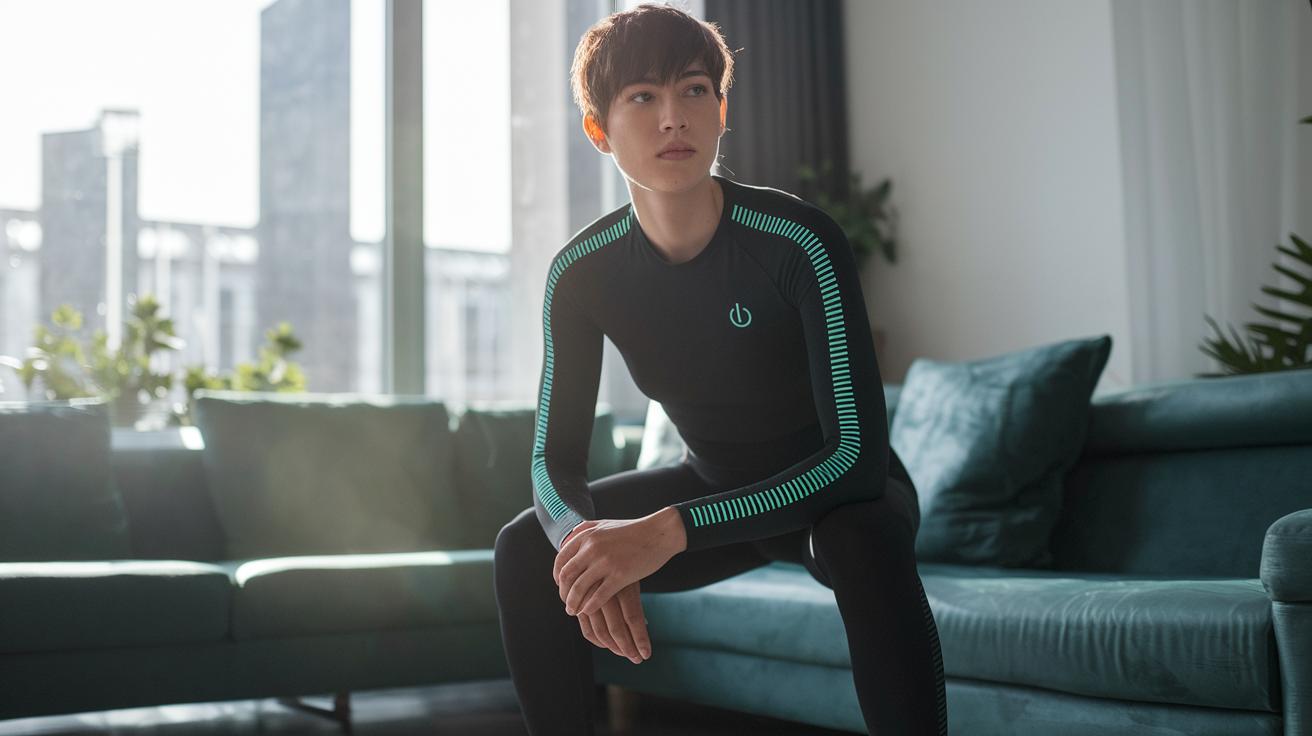
Future wearable tech is mixing smart features with everyday style. Designers and engineers are busy creating gadgets that check on your health while blending into your daily life. Imagine a device that learns your routine and gives you handy tips, all without feeling bulky.
Modern sensors and AI are big parts of this change. New sensors now pick up data with great precision, while smart programs spot your health trends. For example, your device might notice your habits and offer a gentle reminder to move, making it feel personal and easy.
One exciting breakthrough is advanced smart fabrics like the Loomia Electronic Layer. These e-textiles stretch easily and bend in any direction, so they track your body without slowing you down. And AR/VR wearables with spatial computing aren’t just for games anymore, they're also building immersive environments for training and teamwork.
Market forecasts are looking up. Thanks to green tech and smart privacy, wearable devices will keep improving. Medical-grade wearables are emerging to support patients during health challenges, and eco-friendly designs paired with solid security are building trust. All these trends are set to boost confidence for both consumers and investors alike.
Final Words
In the action, we explored what is wearable tech by breaking down its definition and core components. The discussion covered everything from smartwatches and fitness trackers to smart clothing and head-mounted displays.
We also looked at technical features like sensor connectivity and data syncing, along with the benefits and challenges that come with these gadgets. The future of wearable tech looks bright, opening new avenues for personal style and practical innovation.
FAQ
What are some examples of wearable technology gadgets?
The question about wearable tech examples highlights devices like smartwatches, fitness trackers, smart jewelry, smart clothing, implantable devices, and head-mounted displays, each offering unique benefits in everyday use.
What is wearable tech for students?
The inquiry regarding wearable tech for students shows that these gadgets can support learning by providing quick notifications, health tracking, and even augmented reality features, making study sessions more interactive and engaging.
What are the advantages of wearable technology?
Regarding its advantages, wearable technology offers continuous health monitoring, instant fitness feedback, and daily convenience like hands-free notifications, making life simpler and more connected.
What is wearable technology in healthcare?
When asking about healthcare wearables, they are devices that track vital signs and monitor patient conditions, using hands-free data syncing to support better health management and timely medical responses.
What do you mean by wearable technology?
The notion of wearable technology refers to electronic devices worn on your body that use sensors and connectivity to deliver smart, hands-free functionality and real-time data tracking for personal use.
What’s the best wearable tech for seniors?
Inquiring about the best wearable tech for seniors points to user-friendly devices such as smartwatches with fall detection and health monitors that offer simplicity, quick alerts, and reliable communication for caregivers.
What does RFK Jr. mean by wearables?
The question regarding RFK Jr.’s view on wearables indicates a focus on innovative devices that provide health insights and connectivity, emphasizing environmental and medical applications to improve quality of life.
Can wearable tech track my location?
Asking about location tracking shows that many wearables use GPS to follow your whereabouts, helping with fitness tracking and safety measures by providing accurate and real-time location data.