
Have you ever thought your watch might do more than just tell time? Today’s wearable tech is reshaping our everyday lives in fun, unexpected ways. Imagine a smartwatch that does more than tick, it helps monitor your health and manages your daily tasks. And it’s not just watches; even rings with built-in health sensors are joining the trend.
These gadgets make smart choices seem natural, almost like having a personal assistant on your wrist. They blend style with utility, turning the simple act of checking the time into a whole new experience. It’s clear this tech isn’t just a fleeting trend but a fresh way to stay connected and take better care of ourselves every day.
Wearable technology trends elevate smart choices
Over the last decade, wearable tech has really made the leap from a cool niche gadget to something everyone uses every day. Devices like the Apple Watch Series 10 and Ultra 2, packed with smart health sensors, are setting fresh standards for how we keep track of our well-being. And it doesn’t stop at smartwatches; now, we’re also seeing smart rings from names like Oura and Ultrahuman, plus a new Samsung Galaxy Ring promised for 2025. For a closer look at how these gadgets are changing, check out wearable tech trends (https://reloveshop.com?p=292).
These days, wearables aren’t just about telling time or counting steps. They’ve grown into a diverse market with options that suit almost any lifestyle. New buyers are jumping on board, and items like head-mounted displays, think of the Apple Vision Pro, smart clothing, and even implantable tech are catching on fast.
- Advances in smartwatch sensors
- AI-powered health monitoring
- Discreet biometric rings
- Clothes woven with medical tech
- Immersive AR/VR gear
Each of these innovations packs a punch. They’re not just status symbols or fancy gadgets, they help boost our health and simplify our daily routines. With a blend of smart sensors and AI features, these devices offer non-stop health tracking and interactive experiences that mingle the digital with the real world. It’s like having a mini personal assistant right on your wrist or even in a ring. This fresh wave of tech has captured the interest of people from all walks of life, showing us that wearables have evolved far beyond the basics. And with so many specialized products emerging, the future of wearable technology sure looks bright.
Smartwatch Innovations in Wearable Technology Trends
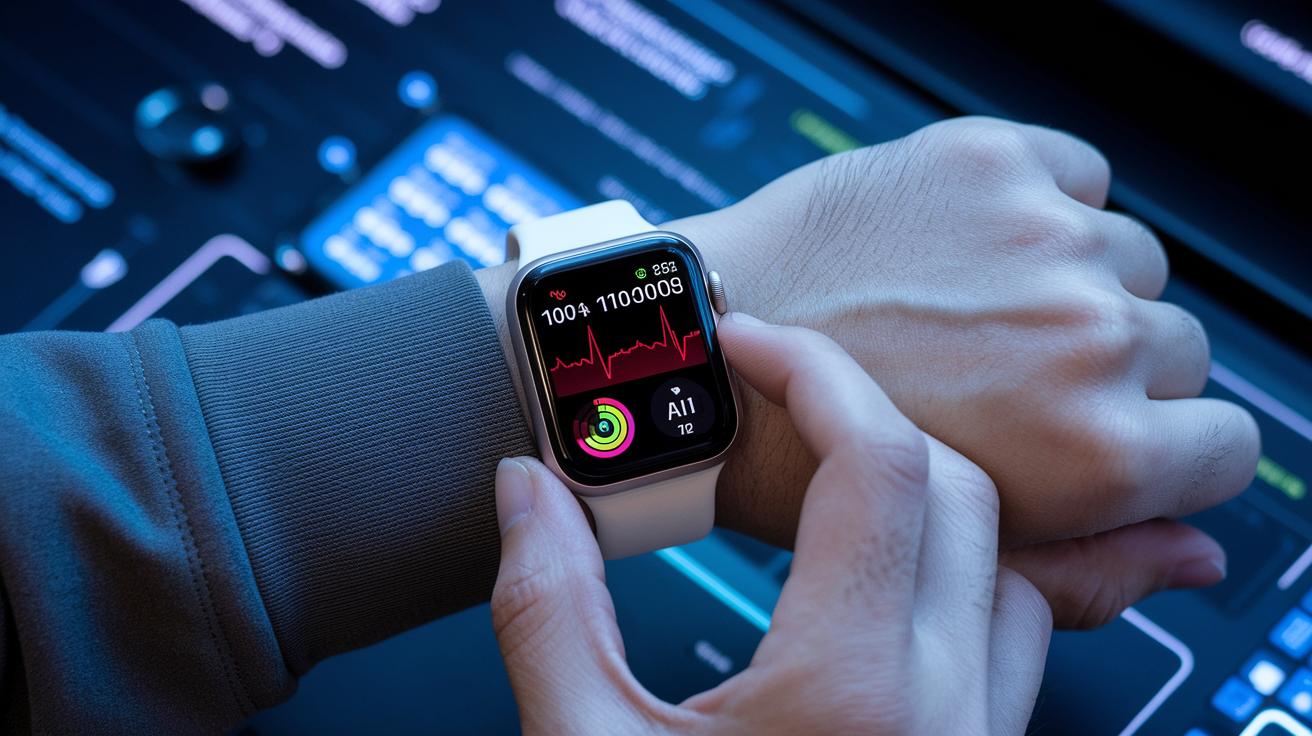
Apple Watch Series 10 and Ultra 2 are really setting the bar. They mix a sleek, modern look with super useful health features you can rely on, like SpO₂ (blood oxygen) readings, body temperature checks, fall and crash alerts, and even FDA-cleared ECG tests. It’s stylish and smart all in one.
Inside these watches, there’s a cool mix of sensors and AI that makes your experience personal. Both Samsung and Garmin use smart algorithms, that means computer systems that learn from your data, to give health tips and tailor training plans. It’s like having a little health expert on your wrist, keeping every beat and step in check.
New business ideas are shaking things up too. Whoop, for example, now offers a subscription service that keeps you continually updated with detailed performance insights. This approach turns a one-time buy into ongoing support, ensuring your smartwatch is always working to help you stay on top of your wellness.
Fitness Trackers and Health Monitoring Shaping Wearable Technology Trends
If you're always on the move, you'll really dig the Fitbit Charge series. Its battery can keep going for days, letting you track steps, heart rate, and sleep without the daily hassle of recharging. One full charge gives you about five days of nonstop tracking, so you can focus on your workouts without interruptions.
This gadget is perfect for active folks who want low-maintenance tech. Its long-lasting battery and easy-to-use tracking are ideal for people who love keeping an eye on their fitness without fussing over constant recharges.
Today, fitness trackers are getting smarter. New sensor technology now offers deeper health insights without extra subscription fees. For example, these sensors give you quick, on-the-spot feedback on key health metrics while you work out.
Also, we've seen fresh designs like ring-style wearables that track your health in a subtle way. The next wave of these devices promises ultimate comfort and real-time activity updates, making everyday fitness monitoring a total breeze.
Smart Clothing and Implantables in Wearable Technology Trends

Smart clothing is totally changing the wearable tech game. Sensors are woven into everyday fabrics, so your clothes can keep track of some pretty important data all day long. Picture a shirt that checks your breathing and heartbeat right as you're hustling through your day, it’s like having a mini health monitor on you all the time. And the best part? These garments blend cool tech with comfy, eco-friendly materials so you never have to sacrifice style for functionality.
Smart textiles are setting new records in healthcare. Take Siren’s smart socks, for example; they can catch early signs of foot issues in diabetic patients, letting you or your doctor step in early. And compression wear is also getting a lot of buzz, as it can track how hard your muscles are working, perfect for athletes looking to fine-tune their workouts. It’s amazing how pieces of clothing are evolving beyond just looking good to also play a crucial role in your wellness.
Implantable devices are emerging as the next big thing in wearable tech. Tiny chips, using NFC and RFID technology (which lets you tap and pay without any hassle), are making it possible to carry secure data with you all the time. Plus, with ventures like Neuralink exploring the connection between your brain and computers, the future is looking pretty wild. As designers sort out the details, implantables are gearing up to mix health tracking with everyday convenience in a way that feels almost magical.
Head-Mounted Displays and Spatial Computing Trends in Wearable Technology
Apple Vision Pro brings a fresh twist to wearables with its blend of mixed-reality visuals, spatial audio, and intuitive 3D gesture control. It lets you interact with digital content in a way that feels both immersive and natural.
Spatial computing is truly changing how we experience the digital world. By adding simple augmented reality (think digital layers over your view) into smart wearables, these gadgets boost experiences in education, work, and gaming. The result is a fun mix of real-life scenes with vivid digital details.
Premium headsets are making a splash in the market even when VR sales hold steady. This change in pricing shows just how appealing these devices have become, pushing ideas well beyond just health monitoring. And the way these smart wearables connect is evolving, opening doors to interactive classes, virtual meetings, and even full-on gaming adventures. With spatial computing unlocking more possibilities every day, the future of wearable tech looks set to transform our everyday digital lives.
IoT Integration and AI Applications Advancing Wearable Technology Trends
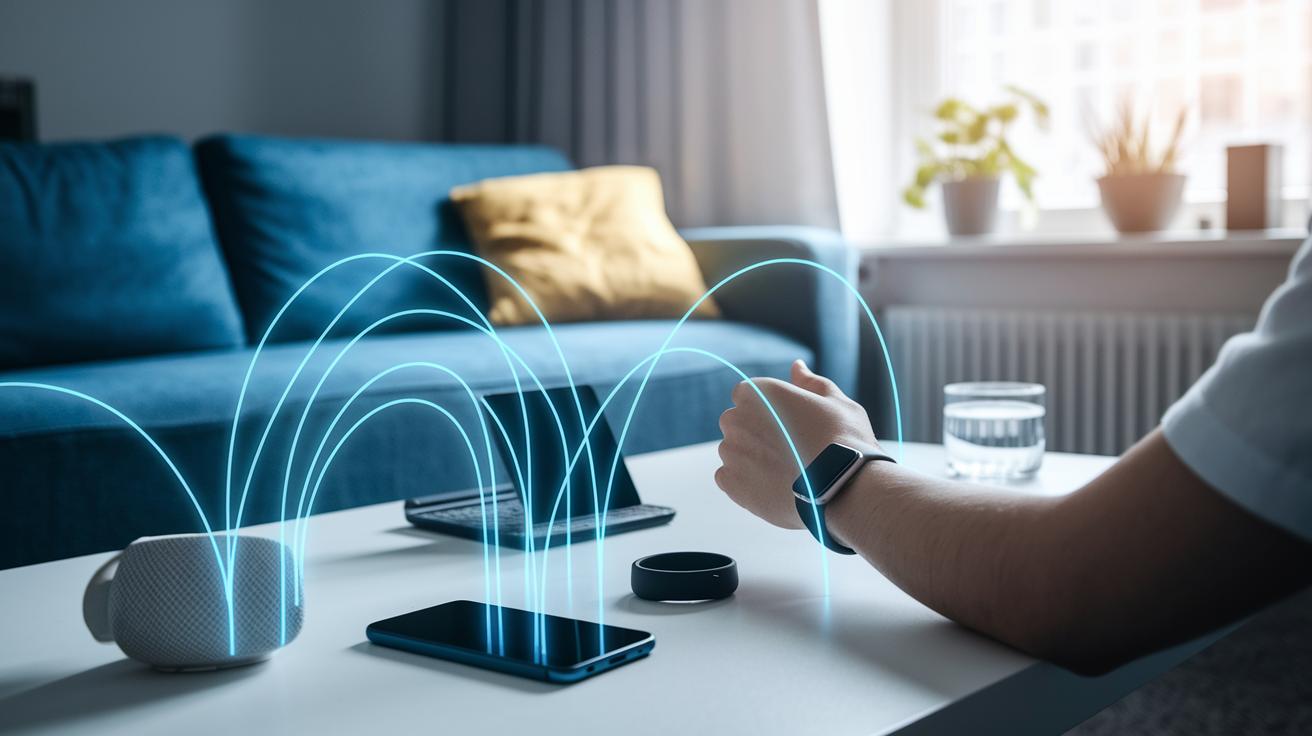
IoT in wearables is totally changing how our gadgets chat with each other. Beacon and sensor networks now help health trackers, phones, and digital health platforms share info effortlessly. This smooth data flow makes keeping up with your daily routines easier, with updates coming in real time. Every device fits into a larger, connected picture that boosts both its own performance and our overall health setup.
Then there’s AI, which adds a personal twist. Generative AI (that’s AI designed to create custom insights) drives features like health scoring, tailored recommendations, and even chat assistants. Imagine your wearable learning from your data and acting like a little health coach right on your wrist.
With 5G in the mix, delays vanish. Faster data transfer means your health stats update immediately, perfect for when you're pushing through a tough workout or managing long-term conditions. It’s like having a quick-response alert system that you can truly rely on.
In the end, IoT, AI, and 5G come together to create wearables that feel natural and fun to use. You get smooth interfaces, instant feedback, and clear health insights that simplify everyday choices. These smart features make your wearable tech a trusted friend in your daily journey toward better wellness, and they just make life a bit smarter overall.
Market Growth, Adoption Patterns, and Forecasts for Wearable Technology Trends
Wearable tech is catching eyes everywhere. In 2023, these gadgets brought in roughly USD 100 billion, and experts predict that number will rise to USD 130 billion by 2025, and even hit USD 200 billion by 2030. That’s about a 12% compound annual growth rate, showing that investors have real confidence in this trend. Interestingly, new buyers are coming in strong, with first-time users expected to grow around 15% each year until 2025, while classic devices like fitness bands might shrink by about 5%.
But here’s where it gets even more exciting. Consumers are shifting their taste toward devices that mix day-to-day ease with smart health and connectivity features. This means traditional wearables are stepping aside for trendier options like smart rings and head-mounted displays, which could expand by nearly 20%. It feels like the wearable tech world is opening its doors not just to longtime fans but also to newcomers eager to try something fresh.
| Year | Global Market Size (USD B) | CAGR |
|---|---|---|
| 2023 | 100 | – |
| 2025 | 130 | 12% |
| 2030 | 200 | 12% |
Overall, these trends hint at a vibrant future for smart wearables. With new product categories emerging and strong consumer interest, wearable tech is set to change the way we interact with our health and lifestyle every day.
Final Words
In the action from smartwatches to smart clothing, this post mapped out how wearables are reshaping both style and health. It walked through key segments like sensor advances, AI-driven health tools, and immersive AR devices that push wearable technology trends into the spotlight.
Each part captured fresh insights that blend well with personal style and functional innovation. The coming wave of wearable tech holds even more promise for those eager to mix fashion and function. Enjoy what's ahead!
FAQ
Frequently Asked Questions
What is the future of wearable technology in healthcare?
The future of wearable technology in healthcare means devices like smartwatches and biometric rings will steadily provide real-time health data and personalized care through advanced sensors and AI-assisted insights.
What are 10 examples of wearable technology?
The 10 examples of wearable technology range from smartwatches and fitness trackers to smart rings, head-mounted displays, smart clothing, implantables, biometric sensors, AR devices, VR goggles, and integrated IoT wearables.
What is the wearable technology market size?
The wearable technology market size reached about USD 100 billion in 2023 and is set to grow further as more consumers embrace health tech innovations and connected device ecosystems.
How fast is the wearable technology market growing?
The wearable technology market growth is marked by a projected compound annual rate of around 12%, driven by rising adoption of health-focused devices and continuously improved features.
What new wearable technology is expected in 2025?
The new wearable technology in 2025 is expected to include advanced smart rings, enhanced smartwatches, and health monitors with stronger AI and connectivity capabilities, appealing to first-time buyers.
What does the wearable technology future hold?
The wearable technology future holds smarter, more connected devices offering continuous health monitoring, immersive display experiences, and personalized AI insights that transform personal care and everyday wellness.
What were key trends in wearable technology in 2021?
The wearable technology trends in 2021 introduced sensor improvements, greater AI integration, and a broader range of products like smart rings and improved fitness trackers becoming more mainstream.
What are 12 different types of wearable technology?
The 12 different types of wearable technology include smartwatches, fitness trackers, smart rings, head-mounted displays, smart clothing, implantables, biometric sensors, AR devices, VR devices, IoT-connected wearables, spatial computing tools, and health monitoring bands.