
Ever wonder if a tiny gadget could totally change your day? Picture a watch that checks your heartbeat while you enjoy a sunny walk in the park, or a pair of glasses that quickly offer useful tips when you need them most.
These smart wearables mix cool health tracking with handy reminders to make daily life smoother. They’re like a friendly nudge that keeps you moving, feeling safe, and in the loop wherever you are.
Stick around and see how this modern twist on everyday style might just add a bit of brilliance to your routine.
Wearable tech devices Boost Your Everyday Life
Wearable tech devices are cool little gadgets you can actually wear. They make daily life smoother and keep you connected without any hassle. Imagine a smartwatch that quietly tracks your heartbeat as you go about your day or smart glasses that pop up handy info while you're on the move.
These devices aren’t just your run-of-the-mill watches. They step up the game by helping with health tracking, like checking your heart rate or reminding you to stay safe when you’re out and about. And then there’s e-textile, think of it as fabric that stretches up to 20% and bends endlessly. It’s almost like a magic material that fits perfectly into any flexible design.
When you mix these smart tools into your routine, life just clicks into place. Whether you’re keeping an eye on your fitness or getting instant alerts, wearable tech makes everything feel effortless. It’s like carrying a friendly helper right on your wrist, making your everyday moments more modern and life a bit brighter.
The Evolution of Wearable Tech Devices: History and Market Growth
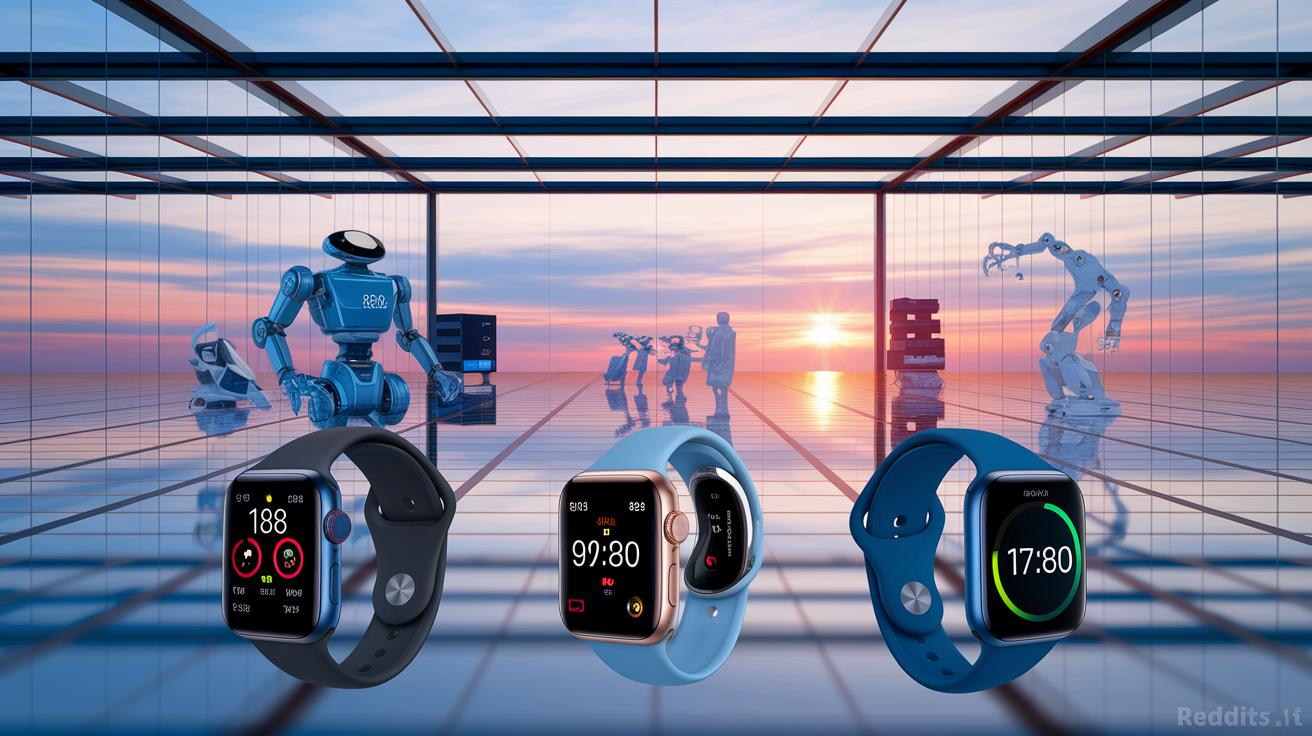
Wearable tech started out as a simple idea, gadgets you could strap on that did basic tasks. Back in the day, these devices looked plain, yet they paved the way for today’s sleek smartwatches and fitness bands. Even during the slowdown of the COVID times, those early tools set the stage for what was to come.
Then there’s the big picture: experts now predict that the global market will hit $57 billion by next year. Advancements in health monitoring and medical tech are driving this growth. And with cool integrations like robotics, AR/VR (these are systems that blend digital visuals with the real world), and fancy sensors, wearable tech has become a must-have part of our everyday lives.
Key Categories of Wearable Tech Devices: A Comparative Table
Wearable tech is growing fast, and knowing the differences among each kind helps you pick the right gadget for your everyday life. In 2025, six main groups stand out by offering sharper health tracking, smooth connectivity, and real-life convenience. Whether you want to check your vital signs, see your fitness numbers in real time, or mix digital fun with everyday style through augmented displays (a way to add computer images to the real world), this table shows you the top examples in each group and what makes them special. Did you know the Apple Watch's smart sensors have totally changed how we do daily health checks? Cool, right?
| Category | Representative Device(s) | Key Features |
|---|---|---|
| Smartwatches | Apple Watch Series 10 & Ultra 2 | Tracks blood oxygen, checks body temperature, detects falls, and uses FDA-cleared ECG tech |
| Smart Jewelry | Oura Ring 4, Samsung Galaxy Ring, Ultrahuman | Screen-free design, monitors sleep and recovery, offers subtle health tracking |
| Fitness Trackers | Fitbit Charge series, Garmin GPS analytics, Whoop (subscription model) | Handles mobile payments, sends notifications, provides advanced GPS tracking and recovery tips |
| Smart Clothing | Respiratory/cardiac shirts, Siren smart socks, muscle-compression wear | Gives biometric monitoring, checks breathing and heart activity, and can even spot diabetic foot issues |
| Implantables | Neuralink BCI, NFC/RFID chips | Uses brain-computer interfaces, does contactless payments, and stores digital data |
| Head-mounted Displays | Apple Vision Pro spatial-computing headset | Mixes spatial computing with augmented reality and blends digital and real worlds seamlessly |
Technological Innovations in Wearable Tech Devices
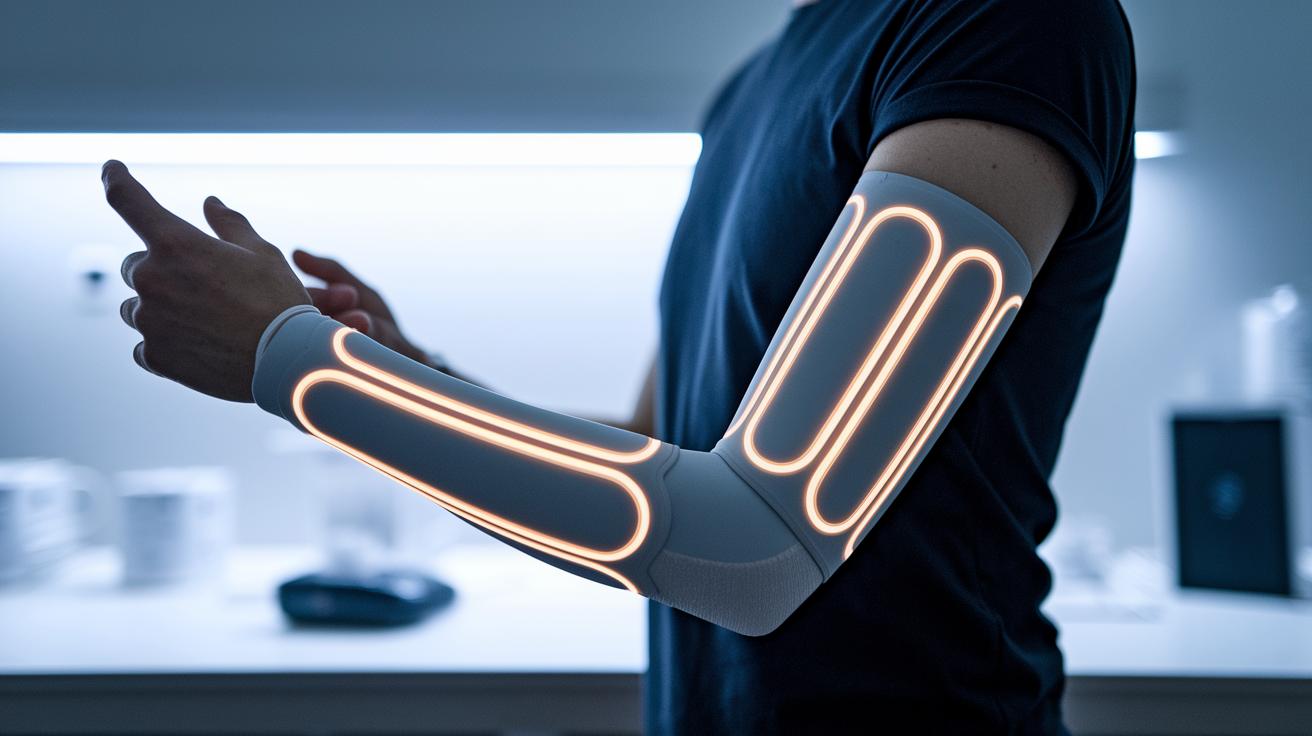
Wearable tech is changing how we live day by day. Engineers are cooking up gadgets that practically disappear on your skin. They use super-light sensors that don’t get in your way. Take Loomia’s stretchable e-textile, for example, it can bend forever and stretch up to 20%, which means it never feels stiff. Plus, designers are picking materials that look sleek, work hard, and last longer.
And guess what? AI-powered devices are also on the rise. They adjust in real time to your movements and surroundings, almost like they’re in tune with your day. Whether you’re tracking your fitness or scrolling through notifications, your tech just gets smarter with you.
Next, check out these cool innovations driving wearable tech forward:
| Innovation | Description |
|---|---|
| E-textiles | Loomia’s stretchable layer that bends endlessly and stretches up to 20%. |
| Micro-LED Displays | Lenovo Visual AI Glasses V1 offer crisp, clear visuals in a tiny frame. |
| AI Integration | Rollme VivaView Smart Glasses bring personal, on-the-go assistance. |
| Sensor-Enhanced Exoskeletons | The IRMO M1 Vision Perception Knee Exoskeleton helps support movement and recovery. |
| Extended Battery Platforms | Huawei WATCH GT 6 Pro runs for up to 21 days on a single charge. |
Isn’t it amazing how these advances make your tech feel like a natural part of your life? It’s like having a tiny, smart companion that always understands what you need.
Seamless Integration of Wearable Tech Devices in Daily Life
When wearable tech links up with your phone via Bluetooth or Wi-Fi, it becomes a friendly helper throughout your day. Imagine your wrist giving a soft buzz to update your health app or a sleep mask that plays clear, soothing audio to ease you into sleep. At an outdoor event, a device like the Crowd Compass Mesh Communicator keeps you connected without you having to dig out your phone. And when your smartwatch sends notifications that blend perfectly with your health info, it really feels like every gadget is on the same page. It’s all about simple, smooth interfaces that make tech feel like a natural part of your everyday routine.
These smart devices are made to work hand in hand, creating a lifestyle that feels both easy and connected. They let you check your fitness and health stats as simply as you check the time. With wearables enhancing everything from a cozy indoor vibe to staying in touch from a distance, everyday moments become more efficient and enjoyable. You end up spending less time juggling devices and more time making the most of their benefits, almost like having a smart helper right on your wrist.
Case Study: Smartwatch and Health App Integration
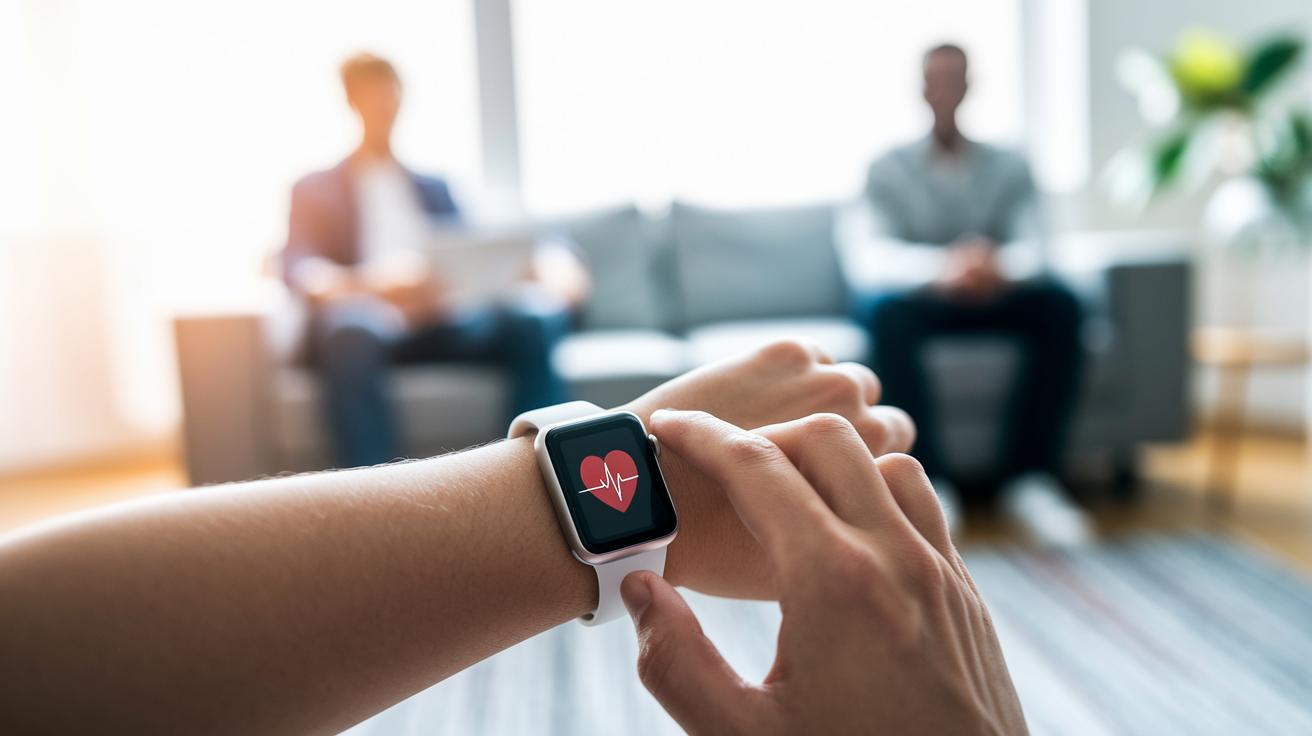
Take the Apple Watch, for example. It easily syncs its ECG and blood-oxygen readings with a health app on your phone in real time. This steady stream of data lets you check your health instantly, turning routine actions into smart, proactive care.
Comparing Leading Wearable Tech Devices: Performance and Pricing
The Apple Watch Series 10 really stands out with its high-tech sensors, including an ECG and a fall detection system that quickly check in on your health. And then there’s the Garmin Venu 4, which boasts a bright 1.3-inch AMOLED display and a battery that lasts up to seven days. Both gadgets focus on super accurate sensors while making sure you stay comfy and ready for everyday adventures.
Then you have the Oura Ring 4, crafted with smooth ceramic material and dedicated to tracking your sleep and recovery details, no screen distractions here. The Fitbit Charge series keeps things simple with handy features like notifications and mobile payments, so you stay connected without extra weight on your wrist. And Whoop? It takes a different route by emphasizing recovery and strain via a subscription model, perfect for those who want every workout insight. Each option brings a unique mix of features, letting you choose what fits you best, from pinpoint health data to smart everyday connectivity.
Price and performance both play a big role when picking your ideal wearable. With prices ranging from around $99 to $799, there’s something for every budget. If you’re into high-end sensors and a sturdy battery, the Apple Watch Series 10 or Garmin Venu 4 might be your go-to. But if you value a lightweight, minimalist design, the Oura Ring 4 or Fitbit Charge series could be a better match. In the end, your choice depends on which features matter most to you.
Future Trends and Outlook for Wearable Tech Devices
Future wearable tech devices are set to change how we keep track of our health. Imagine having a device that not only checks your steps but predicts your health needs with smart analytics. It’s like having a friendly assistant helping you keep an eye on your well-being every day. These gadgets are also stepping into the world of AR/VR for work, blending our real lives with digital magic. Quick-response wireless sensors and smart digital wellness tools are just a taste of what’s coming. It’s pretty exciting!
Meanwhile, cool innovations like exoskeletons, robotics, and better data security are on the rise. Manufacturers are working hard to add advanced features while keeping our personal health data safe. The goal? To make devices that are super smart and really tuned in to what we need. With faster wireless connections and sharper sensors, big changes are ahead. Curious about what’s next? Check out wearable tech trends. All these updates mean wearable tech will not only boost our productivity but also make everyday life feel a lot more awesome!
Final Words
In the action, we explored the core of wearable tech devices, from initial definitions and historical growth to impressive technological innovations and everyday integration. The piece broke down complex concepts into clear examples, comparing top devices and shedding light on emerging trends.
Every remark resonates with a promise of a more connected, smart future. The discussion leaves us feeling inspired by how wearable tech devices shape our daily routines and personal style in a fresh, exciting way.
FAQ
What are examples of wearable tech devices?
The examples of wearable tech devices include smartwatches, fitness trackers, smart jewelry, smart clothing, implantable chips, and head-mounted displays. They offer hands-free monitoring, connectivity benefits, and daily convenience.
What are some top wearable health devices and monitoring examples?
The top wearable health devices include smartwatches and fitness trackers equipped with sensors for ECG, blood oxygen, and activity tracking. They help users monitor vital signs and maintain personal health seamlessly.
What is considered wearable tech?
The term wearable tech refers to electronic devices worn on the body that provide smart features like health monitoring, connectivity, and convenience. They are designed for ease of use and everyday integration.
What is the most popular wearable device?
The most popular wearable device is often the Apple Watch, celebrated for its comprehensive health tracking, user-friendly features, and smooth synchronization with mobile applications.
What’s the best wearable tech for seniors?
The best wearable tech for seniors typically includes smartwatches with fall detection, heart rate monitoring, and easy-to-read interfaces, offering both safety features and reliable health tracking.