
Ever wondered how runway markings keep pilots safe during bad weather? Trend radar now watches key cues like centerline stripes (the main line that guides pilots) and threshold bars (the markings at the runway’s beginning). It catches small changes, almost like a friend spotting a frayed seam on your favorite jacket, so problems get fixed before they turn into big headaches.
With more flights happening every year, noticing these tiny shifts makes a big difference in quick repairs and smooth operations. In truth, reading runway cues with trend radar means safer flying for everyone.
Interpreting runway cues with trend radar: Safety Soars
Runway markings such as the centerline, threshold, and aiming points guide pilots during taxi, takeoff, and landing. It’s pretty wild, when fog, rain, or snow makes it hard to see, a clear marking can truly change a flight’s outcome. Trend radar systems work hard by using data to track how bright and clear these signals are, spotting even the tiniest shifts in spacing, width, or brightness.
AI tools step in with over 101 specialized models that check the runway’s edges in real time. They catch little changes that might signal wear before things get risky. And here’s a fun fact: runway numbers come from their magnetic heading. For example, if a runway points to 360°, it’s simply labeled “36” after dropping the extra zero. With air traffic expected to climb to 10.1 billion passengers by 2043, keeping these markings in top shape is more important than ever.
Ground crews now get instant alerts thanks to this smart trend detection, making it easier to schedule timely repairs. This quick, automated process is a great example of technology making our skies safer and operations more reliable.
Key Runway Cue Types Captured by Trend Radar
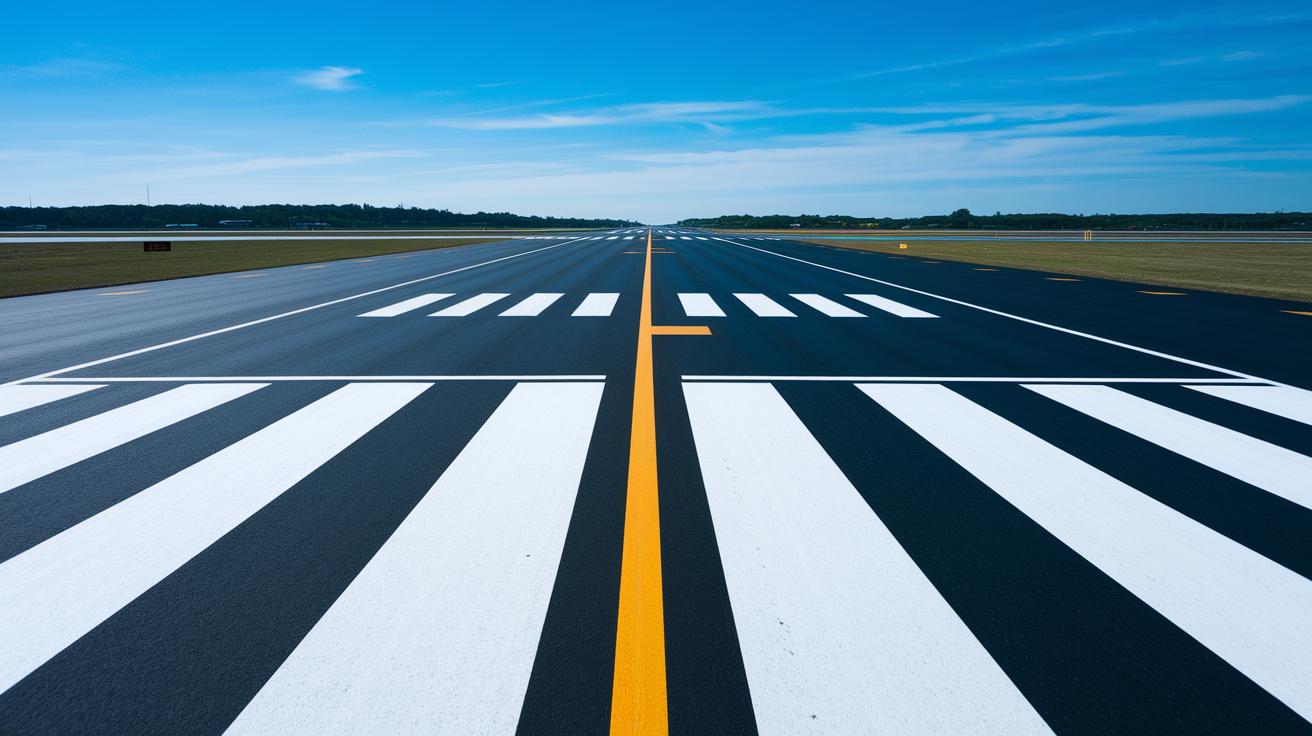
When you're watching planes get ready to take off or land, the runway markings play a huge role. Centerline stripes, edge markings, aiming points, touchdown zones, and threshold bars work together to guide pilots during taxiing, takeoff, and landing, even when weather conditions aren’t ideal. For example, touchdown zones show pilots exactly how much room they have to slow down, while threshold bars help them line up just right for landing.
Trend radar sensors are always watching these runway signals. They check details like the texture and shine of each line, much like we would notice the sparkle on a perfect pair of shoes. Over time, rain, wind, and everyday wear can fade these markings or change their spacing and width. Imagine a subtle drop in brightness that quietly triggers an alert, warning that maintenance is needed before things get risky.
Thanks to smart signal analysis, the radar picks up even tiny changes in spacing, brightness, or width. Pilots, especially when flying in bad weather, rely on these cues as if they were a helpful friend pointing out the right direction. This real-time feedback system makes sure that every stripe and marking is in top condition to safely guide the aircraft along the runway.
Trend Radar Integration in Aviation Signal Analysis
Trend radar now mixes high-tech tools like LIDAR (that laser tool for measuring distance), millimeter-wave radar (a radio wave scanner), and video feeds to create a rich, layered picture of runway conditions. This cool approach picks up even tiny changes, like slight shifts in cue reflectivity.
The system fires off alerts instantly when the sensors notice anything unusual. These updates show up live on dashboards so that the team can jump in and fix issues right away. For instance, did you know that a small change in the video feed once predicted maintenance needs hours before anyone could spot them manually? Wow.
By blending these smart sensor readings with a predictive maintenance schedule, costs have been slashed by up to 15% by 2028. The system even looks at past data to guide the timing of repairs, cutting down on unnecessary fixes.
Case Studies: Trend Radar Applications on Runway Cues

Back in 2022, a big U.S. airport tried out a trend radar system and saw results fast. The system spotted that the runway markings were 15% less bright before reaching the FAA limit. It’s kind of like a friend warning you about a slippery step before you accidentally fall.
Sensor fusion really made a difference here. By mixing radar data with optical feeds, the system built clear heatmaps that showed how wear was spreading along the center of the runway. These maps acted as a handy guide for the ground crew, showing exactly where the markings needed a touch-up. In short, the team got the info they needed in real time.
Next, when the system worked with the maintenance schedules, repairs took 25% less time. Daily reports gave the crew clear action points, so they could tweak their plans based on solid facts. Studies from the airport showed that quickly acting on these alerts really boosted overall safety on the runway.
One report even said, "It’s amazing how quickly these alerts help us reassign resources." All in all, this project clearly shows how useful radar-based systems can be when it comes to blending sensor data and guiding everyday maintenance tasks.
Visual Tools for Radar-Based Runway Cue Trends
Visual tools help ground teams quickly spot how runway markings change over time. For example, line charts show how reflectivity drops during a maintenance cycle. Imagine a graph where reflectivity slips from 95% down to 80% in six months, clear evidence of gradual wear. And bar graphs compare clarity on different sections, making it easy to notice any quirks that might need a quick fix. Heatmaps add a burst of color to reveal hot spots of wear along the thresholds and centerlines. All these visuals let teams dive into data to keep every cue closely watched.
These smart, metrics-driven reviews not only catch current issues but also help plan repairs ahead of time. By tracking details like marking width differences and spacing gaps, crews can schedule maintenance that keeps runways safe and smooth. When advanced trend analytics mix with clear visual checks, it leads to wiser, more proactive decisions.
| Metric | Threshold | Alert Frequency |
|---|---|---|
| Reflectivity drop | 85% | Weekly |
| Marking width variance | ±5 inches | Monthly |
| Spacing deviation | ±1 foot | Monthly |
Best Practices and Future Trends in Runway Cue Radar Systems

When launching new runways, it’s important to set clear starting points for things like reflectivity, marking dimensions, and spacing. The operations crew needs to jot down these basics so everyone’s on the same page. And, you know, training sessions, where staff learn how to read the radar dashboard and spot automated alerts, really boost confidence. Picture a quick check: "See that shift in brightness? Time for a follow-up check!"
Systems need to follow rules like the FAA Advisory Circular 150/5345-44 and ICAO Annex 14 marking standards to keep safety front and center. For airports with many runways, it’s all about scaling sensor networks to ensure steady and reliable monitoring. When several runways are running, smart detection tools help teams keep a close eye on each critical signal.
Looking ahead, future innovations might include AI-guided tools that plan maintenance and even dish out updates like, "Maintenance needed at the threshold in 15 minutes!" These new tech trends not only simplify planning but also offer a fresh, forward-thinking view on managing runway cues. With these upgrades, runway monitoring is set to get a serious boost in reliability and overall safety.
Final Words
In the action, we explored how trend radar decodes essential runway cues during varying conditions. We walked through types of markings, from centerline stripes to threshold bars, showing their critical roles and how real-time data boosts aviation safety.
The case studies illustrated the impact of comparing sensor findings, while visual tools and best practices painted a clear picture for future advancements. Overall, interpreting runway cues with trend radar brings fresh insights that keep safety and style on point.
FAQ
Runway numbers magnetic or true
The runway numbers are determined by the magnetic heading, rounded to the nearest 10°. This method helps pilots align their approaches by using the Earth’s magnetic field.
Runway 18/36
The runway 18/36 designation signifies that one end of the runway is aligned roughly at 180° and the opposite at 360°. This dual numbering guides pilots on the direction of takeoff and landing.
Runway numbering diagram
The runway numbering diagram illustrates how numbers match magnetic headings. It outlines the two-digit codes that guide pilots, showing orientations like 09 versus 27 for opposite directions.
Runway 32 meaning
The runway 32 label means the magnetic heading is near 320°. It represents one end of a paired runway, indicating the direction for arriving and departing aircraft.
Airport runway numbers Explained
The airport runway numbers come from magnetic headings rounded to two digits. They provide clear directional information, making it easier for pilots to plan takeoffs and landings safely.
Runway 00
The runway 00 designation is less common and sometimes used when a runway’s alignment is very close to 0° but not officially numbered as 36. It reflects specific local marking choices.
Runway 01
The runway 01 label indicates an approximate magnetic heading of 10°. This code helps pilots identify the runway’s direction for safe takeoff and landing approaches.
How are runways determined to be active
Runways are determined to be active through real-time assessments, including sensor readings of marking clarity and surface condition, along with air traffic control decisions based on current operations.
What is the 70 50 rule?
The 70 50 rule is a guideline related to runway markings’ reflectivity. It suggests that markings should ideally have a reflectivity of around 70%, with 50% as the minimum safe threshold for ongoing operations.
What does 9 and 27 mean on a runway?
The numbers 9 and 27 indicate that the runway is aligned near 90° and 270° on a magnetic compass. They give pilots a clear understanding of the runway’s orientation from either end.
How to interpret segmented circles?
The segmented circles on runway diagrams display divided pieces of marking information, which help pilots and maintenance teams assess runway width and condition by visual cues.
How to read runway conditions?
Reading runway conditions means looking at cues like centerline stripes, reflectivity, and surface texture. These factors, often monitored by sensors and trend radar, ensure pilots have safe takeoff and landing information.