
Ever wonder if the catwalk is much more than just a runway? Today’s models treat every step like a mini performance, mixing art with a spark of innovation. Designers now create experiences that pull you right into the show, where each confident stride is a burst of creative flair. When a model steps out, you feel the purpose in every move, each walk is a bold nod to modern style. And as the soft lights catch a shimmer or a twist, the runway pulses with the heart of the collection, inviting you to feel the excitement of high fashion from Paris to Milan.
catwalk runway: Stunning Fashion Style Sparks
Catwalk runway is all about showing off designer clothes and accessories with real flair. It’s not just a walk, it’s a lively performance where models bring collections to life with each step. Also known as the ramp walk or runway walk, this stage moment is a key part of high-fashion shows from Paris to Milan.
Every runway walk tells a unique story. Take Marc Newson’s set design for Fendi SS 2026 as an example: he laid out 101 colors on a curvy stage, turning the run of a standard show into a dazzling journey of creativity. Before, models just walked in a loop; now, every confident stride bursts with the energy of the collection.
The runway buzzes with striking visuals, precise moves, and outfits chosen with care. Today’s shows go beyond simple displays, they create an immersive experience. When people use ramp walk or catwalk, they’re celebrating the art of movement, where style and innovation mix to create unforgettable moments on stage.
This creative spark shows why the catwalk stays a powerful tool for designers. It lets them share the heart of their collections and capture the exciting spirit of modern fashion.
Mastering Model Walk Technique on the Catwalk Runway
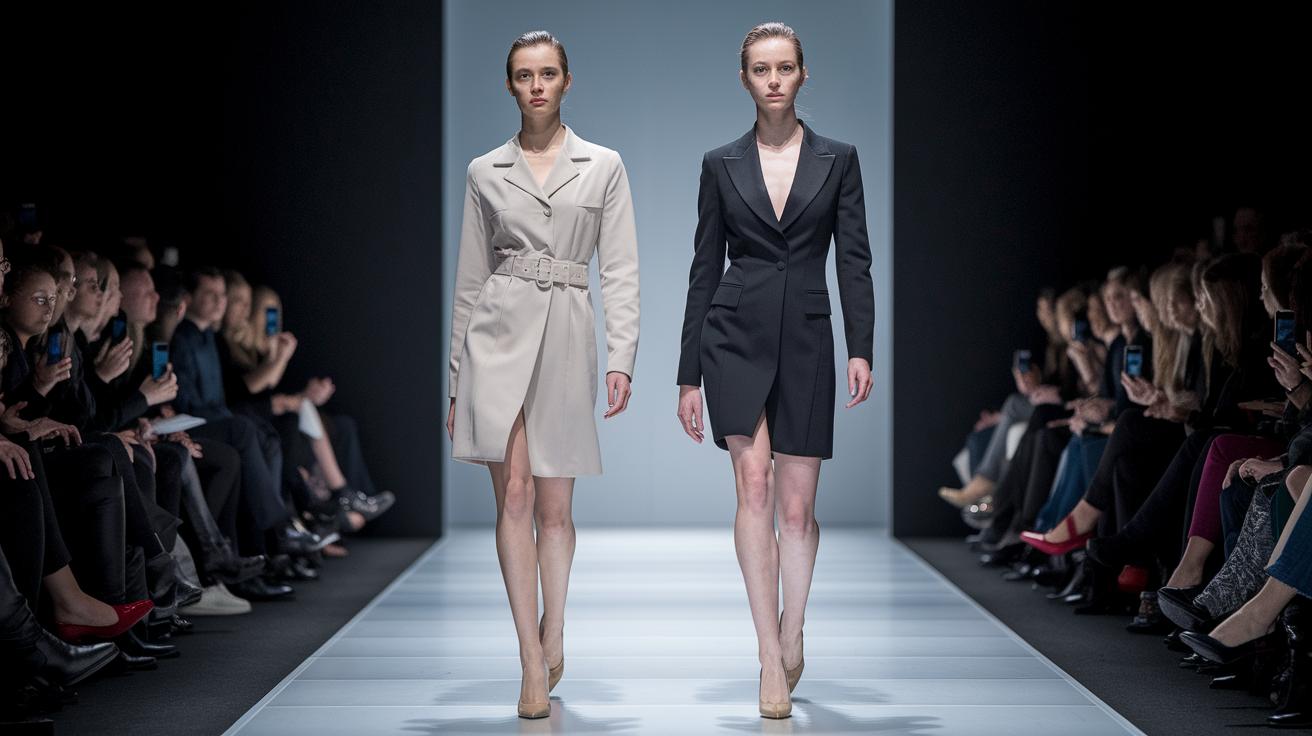
Mastering your walk on the runway is all about practice and precision. Every step you take speaks volumes about your mood and style. It starts with perfecting your posture, finding the right balance in your movement, and controlling each stride like a pro. Watching video replays of your walk can work wonders, you can spot little slip-ups and boost your overall confidence. For example, you might slow things down to really feel your hip movement, then gradually pick up the pace.
There are five cool styles to try out:
- Classic Catwalk – Think of it as gliding down a sleek runway with a calm, neutral look.
- Power Walk – This style uses a strong hip sway and a steady pace to make a bold statement.
- Editorial Walk – Here, you play with dramatic poses and angled steps to match an expressive collection.
- Commercial Walk – It’s all about relaxed shoulders and a friendly vibe that feels natural.
- Theatrical Walk – This one turns the runway into a mini stage with exaggerated, artistic gestures.
Each style has its own tricks. Consistent practice is key. You can work on your walk by doing simple focus exercises, like standing in front of a mirror to fix any uneven steps or rushed movements. Plus, drills that build balance and fluidity help make your stride smooth and confident.
Sometimes, you might notice stiff shoulders or an unsteady gait. In those moments, break your practice into smaller parts. Start with your legs to nail down your pace, then add in the right upper body moves to match your style. Try a drill: step, take a pause, adjust, and continue, always keeping an eye out for tiny misalignments. With a bit of patience and frequent rehearsals, your walk will feel as natural as a conversation on the runway.
Behind the Scenes of Catwalk Runway Shows: Choreography & Preparation
Backstage, every runway moment comes from hard work and creative teamwork. Designers and their crews plan every step, from setting up the choreography to lining up models and rehearsing their moves with perfect timing. It’s like practicing your best walk in front of a mirror until the steps feel as natural as breathing. That kind of care turns a show into something truly unforgettable.
Marc Newson’s design for Fendi SS 2026 is a great example. His set bursts with 101 colors, unique landscapes, and playful lighting that changes with the music. Modern shows now use stages that are as imaginative as the clothes themselves. Backstage teams break the work into small drills, making sure every transition is smooth and every model hits their mark. Ever noticed how a little extra practice can fix even the smallest hiccup?
International fashion weeks show us that these shows are evolving into amazing visual experiences.
| Aspect | Traditional Stage | Modern Set Design |
|---|---|---|
| Walkway Layout | Straight line | Undulating curves |
| Lighting | Static spotlights | Dynamic cues |
| Backstage Coordination | Simple line-up | Complex scheduling |
| Set Materials | Plain backdrops | Colorful elements |
| Audience Engagement | Conventional | Immersive |
Styling and Aesthetics on the Catwalk Runway
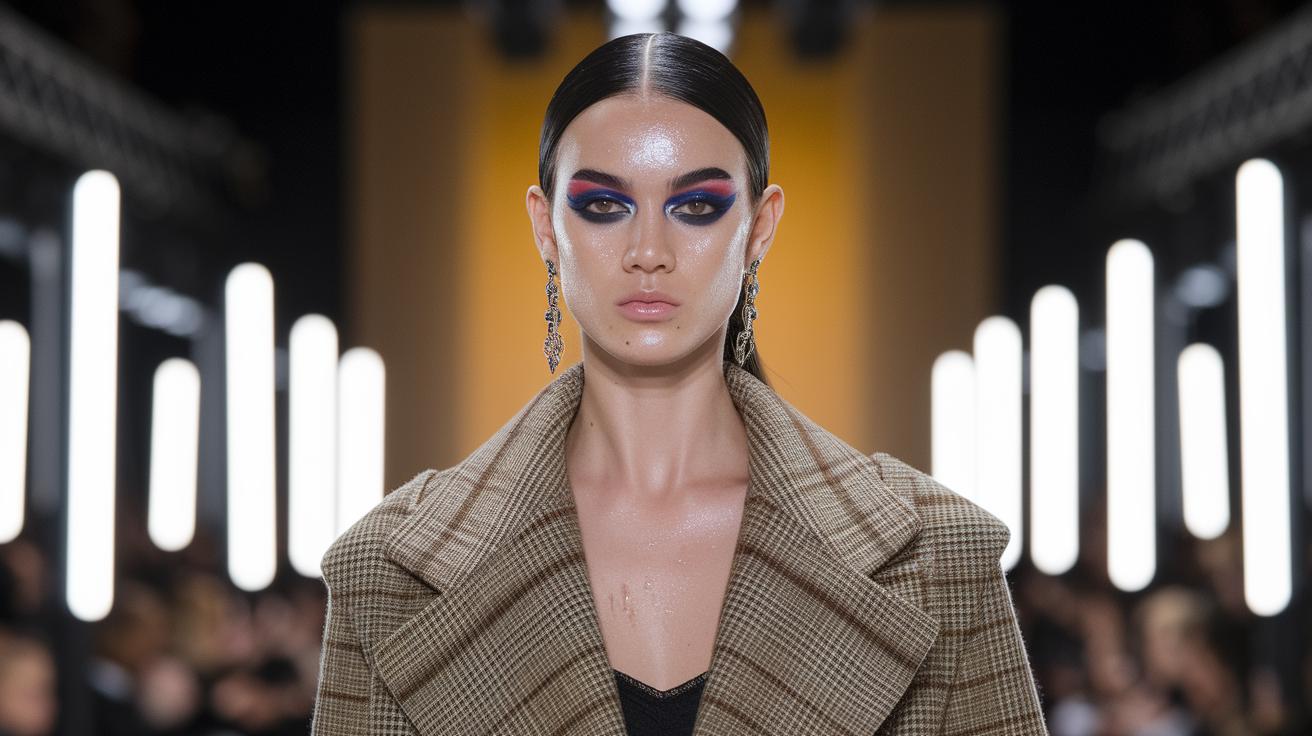
Makeup on the runway really catches your eye. Bold eyeshadows, sharp liners, and a dewy base give each model a look as bright as a piece of art. Picture a model stepping out under soft lights, her sparkling eyes and glistening skin capturing every gaze.
Designer picks are all about a clean look and clear style for each collection. Clothes with smooth lines tell a story on their own, much like putting together your favorite outfit at home where every piece fits perfectly.
Lighting makes a huge difference too. Gentle beams, clever mixes of color, and shifting highlights show off textures and details, letting fabrics really come to life on stage.
And look at the shoes for SS 24! Bold statement heels and innovative platforms not only add height but also a playful dash of style. Every step makes a statement, wrapping up the whole look with extra flair.
Historical Evolution and Iconic Moments on the Catwalk Runway
Back in the 19th century, fashion shows looked a lot like small, cozy gatherings. Models would display clothes in intimate salon settings. Over time, those modest displays grew into the bold public spectacles we know today.
Christian Dior’s New Look in 1947 and Yves Saint Laurent’s daring style in the 1960s completely changed the game. Their innovative, confident presentations brought a touch of drama that we still see on the runway. Imagine walking down the street and suddenly feeling like you’re at a live performance, that’s the charm these eras created.
Some moments have really defined the runway. Gigi Hadid’s return at a Versace event, sharing the stage with Bella Hadid, sparked excitement with its mix of raw energy and sibling flair. And then, Stella McCartney revived animal print faux fur during Paris Fashion Week, showing us that old trends can be refreshed with a twist.
Today, models use simple mindset techniques to beat stage jitters and own every step. This mix of old influences and new confidence tricks has turned each runway walk into both art and a statement of style.
Final Words
in the action, the post walked through the intricacies of a catwalk runway, covering everything from model walk techniques to backstage choreography, styling aesthetics, and even historic highlights. The discussion carried clear examples, like Marc Newson’s bold set design, that brought tangible energy to the fashion stage. Each section linked practical tips with vibrant stage moments, offering a clear picture of runway magic. Stay inspired and confident as you embrace these insights and bring your own flair to the catwalk runway!
FAQ
What is the difference between a runway walk and a catwalk?
The runway walk and catwalk are terms used interchangeably in the fashion world. They both refer to the stage where models show off designer collections with attitude and style.
How do models walk on a catwalk?
The catwalk walk involves maintaining confident posture, consistent steps, and focused eye contact. Models use steady movements and practiced techniques to effectively display the garments.
What are the different types of runway walk styles?
Runway walk styles include classic, power, editorial, commercial, and theatrical walks. Each style varies in pace, stance, and expression, bringing unique flair to each designer’s collection.
How does a female model’s walk differ on the catwalk?
A female model’s walk balances poise and boldness. It emphasizes grace, natural expression, and the ability to highlight the design details while captivating the audience.
How long is a typical catwalk runway?
The length of a catwalk runway varies by venue and event design. Some setups offer a cozy platform for intimate shows, while others extend to provide clear visibility at larger presentations.