Featured
3d Fashion Design Software: Modern Creative Edge
By nancewillis
November 21, 2025
Field Notes
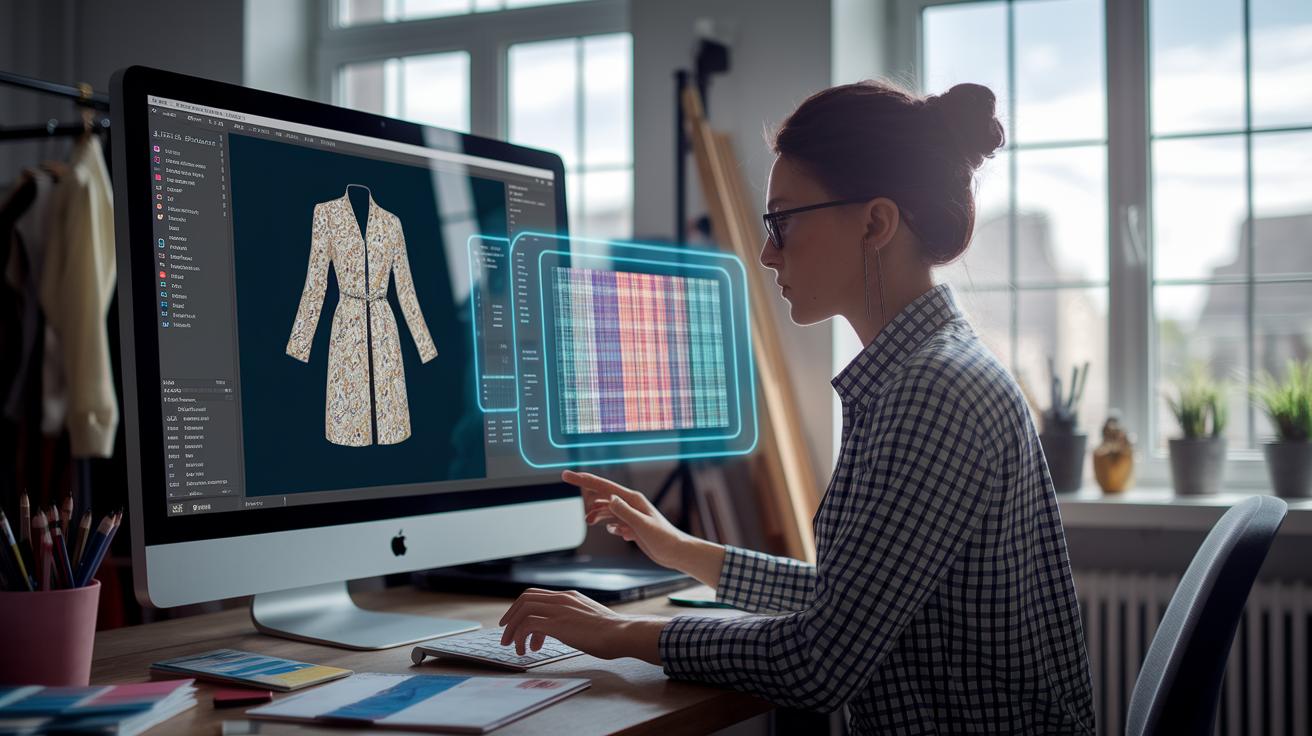
Ever wondered if computer models could make designing clothes less error-prone and cut down on waste? Nowadays, 3D fashion design software is totally shaking things up by letting designers craft detailed digital garments instead of fiddling with endless physical samples. It’s like tweaking a dress right on your screen and watching the fabric come to life under your eyes.
This fresh approach blends smart tech with creative flair, giving modern fashion makers a faster and more precise way to perfect their designs. Imagine a virtual workshop where every stitch and fold gets checked in real time, pretty cool, right? It’s opening a new world where tech and style walk hand in hand, making fashion design as exciting as a hot runway moment.
3d fashion design software: Modern Creative Edge
3D fashion design software is a game-changer for bringing clothing ideas to life. Instead of creating physical samples, designers now work with computer-made versions that show every little detail. It’s like watching a digital runway show where creativity meets cutting-edge tech.
These tools handle tasks like pattern drafting, grading (adjusting sizes), marker-making, and even simulating fabric. Imagine a designer tweaking a digital dress and seeing the fabric flow just right, it’s much like enjoying a graceful dance of fabric under soft lights. This smart mix of features means you get accurate patterns with less manual work and fewer mistakes.
By ditching physical prototypes, designers can cut down on waste and save money. Plus, with cool additions like AR/VR and AI-driven texture tools, the creative possibilities are endless. Whether you’re in a small studio or a big brand, mastering these digital platforms is the ticket to pushing fashion boundaries and stepping into a sustainable future.
Key Features of 3D Fashion Design Software
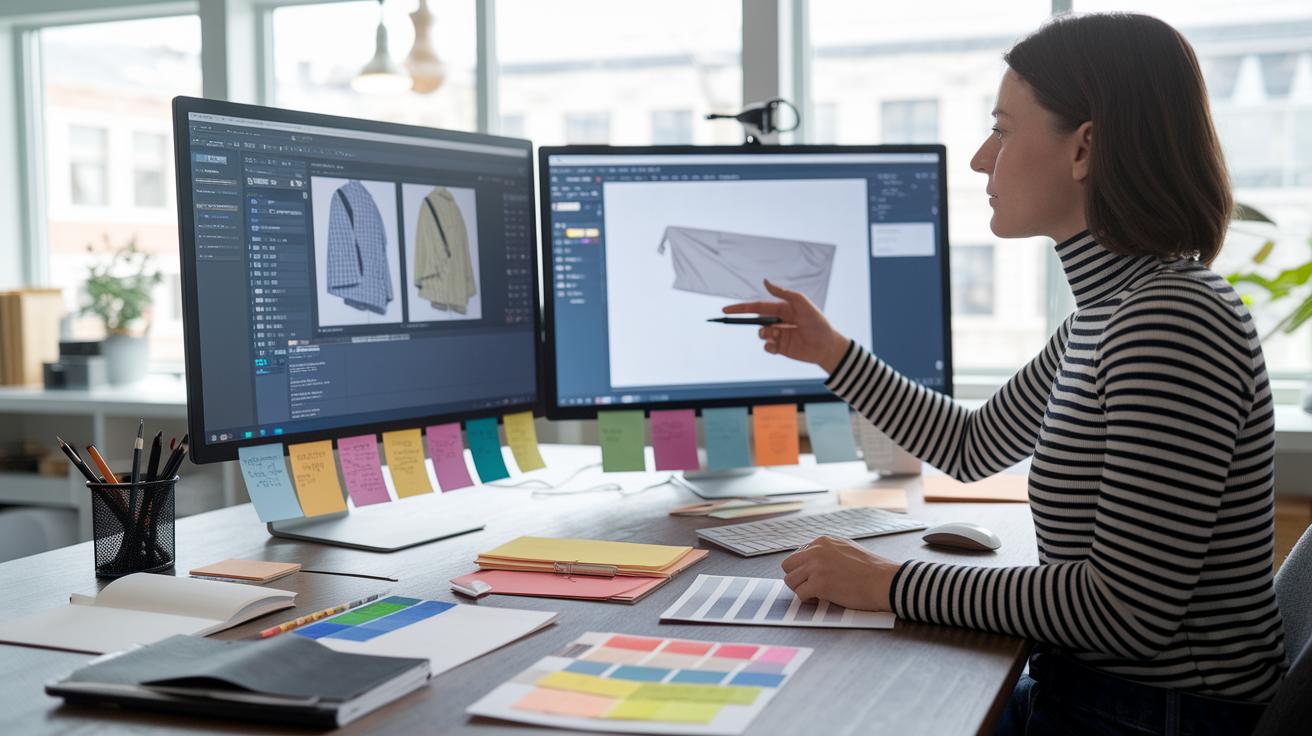
For designers, comparing features is super important. These tools help turn a design idea into a real product. And with so many software options out there, each one brings unique benefits that can save time, ensure a perfect fit, and reduce waste. When designers know the differences, they can pick the tool that really sparks creativity.
It’s all about turning vision into reality. You get cool details like integrated 3D garment views and customizable pattern templates that show you how the design flows. Top platforms even offer smart grading automation and virtual prototyping with stress testing to keep everything running smoothly. It’s like having a backstage pass to see your ideas come alive!
- Automated grading and sizing
- Realistic drape and fabric physics
- Marker-making and nesting tools
- 2D/3D pattern drafting interface
- AR/VR outfit preview
- Virtual sampling and stress testing
- Material and color-palette library
- Real-time color and lighting adjuster
These features mix innovation with practicality. They help streamline the creative process so designers can focus on pushing artistic limits while nailing technical details. Pretty cool, right?
Comparing Top 3D Fashion Design Software Solutions
When choosing a design tool, it’s all about finding your perfect match. You want software that not only offers a free trial and fits your budget but also brings the right features to your creative table. Think about tools with smooth, easy-to-use screens, realistic fabric simulation that lets you see every shimmer and fold, and clever pattern-making options to bring your ideas to life.
| Software | Free Trial | Pricing | Key Features |
|---|---|---|---|
| CLO 3D | Yes | Premium full license | Industry favorite for pattern-making and fabric simulation; loved by top brands |
| Marvelous Designer | Yes | High professional cost | Offers amazingly realistic draping, perfect for film and games; known for its lifelike garment movement |
| Browzwear VStitcher | Yes | Premium | Ideal for production-ready grading and fit analysis; chosen by brands like Under Armour |
| Blender | Open Source | Free | Strong modeling and sculpting powers, though it might take a bit to master |
| Bandicoot | No | Starts at $149 | Focused on fabric digitization for spot-on material rendering |
It’s a smart move to look closely at costs, how easy a tool is to use, and the kind of visuals you need. Each software stands out in its own way, whether it’s about seamless cloud editing or rocking powerful simulation features. Taking a moment to compare them helps you invest wisely, ensuring that whatever you choose not only sparks your creativity but also meets practical needs in production.
Accessing Free and Trial Options for 3D Fashion Design Software

Free trials and demos let you peek into new tools without spending a dime. They give you a chance to play around with the interface and main features before you decide to commit. It’s like trying on an outfit before you buy it, fun and low-risk, with cool features like 3D garment previews and fabric simulation you can see in action.
Blender is totally free since it’s open-source, so you get full access to all its powerful modeling tools. And then there’s CLO 3D, Marvelous Designer, and Browzwear, each offering a 7-day trial that lets you explore everything they’ve got. SketchUp even has a free tier you can use forever, though you might need a few extra plugins if you want advanced texturing. Oh, and if you’re curious about a fresh approach, the F* Word platform serves up AI-guided tutorials for pattern and sketch design, perfect for beginners or anyone wanting to try something new. There are plenty of handy design apps out there, too!
When you’re testing a trial, zero in on how the software manages the tasks that matter to you. Run some sample projects and jot down any limits you bump into. This way, you can see if it really supports your design goals before making a long-term commitment.
Integrating 3D Fashion Design Software into Your Workflow
CAD and PLM Integration
Digital design tools now chat effortlessly with your enterprise systems. Tools like Gerber AccuMark and PatternSmith link your patterns directly to production setups. Back in the day, designers lugged around heavy paper patterns that often ended up misfitting the final product. Now, every digital pattern connects with your network to speed up approvals and cut down on rework.
These links let you share detailed design files with the production team in a snap. They combine pattern drafts with all the technical details so manufacturers know exactly what to do. Imagine a smooth pass from design to production with fewer mix-ups and quicker turnarounds.
Cloud Collaboration Platforms
Cloud tools are like a shared whiteboard where design teams brainstorm in real time. Picture a digital room where you and your friends sketch ideas live, review changes together, and give instant feedback. It’s all about keeping everyone in sync with version control and remote input.
And there’s more. Some platforms, like Style Builder, even use AI plugins to turn simple sketches into photorealistic renders. This kind of collaboration feels like a vibrant studio session that brings creative minds together, no matter the distance.
Community and Learning Hub
Built-in libraries such as Fabric Library and Textile Color Palette make finding materials a breeze. Features like Magic Cutout and batch image tools help crop objects and gather pictures quickly. Plus, community hubs offer templates, job boards, and clear guides for every feature, making learning part of the fun.
User forums and training resources give designers a chance to pick up new tips and tricks along the way. It’s a friendly space where creative ideas flow and problem-solving becomes a shared journey.
All these smart integrations boost team efficiency by streamlining talks, speeding up production handoffs, and keeping the creative energy alive at every step.
3D Fashion Design Software and Sustainable Fashion Practices
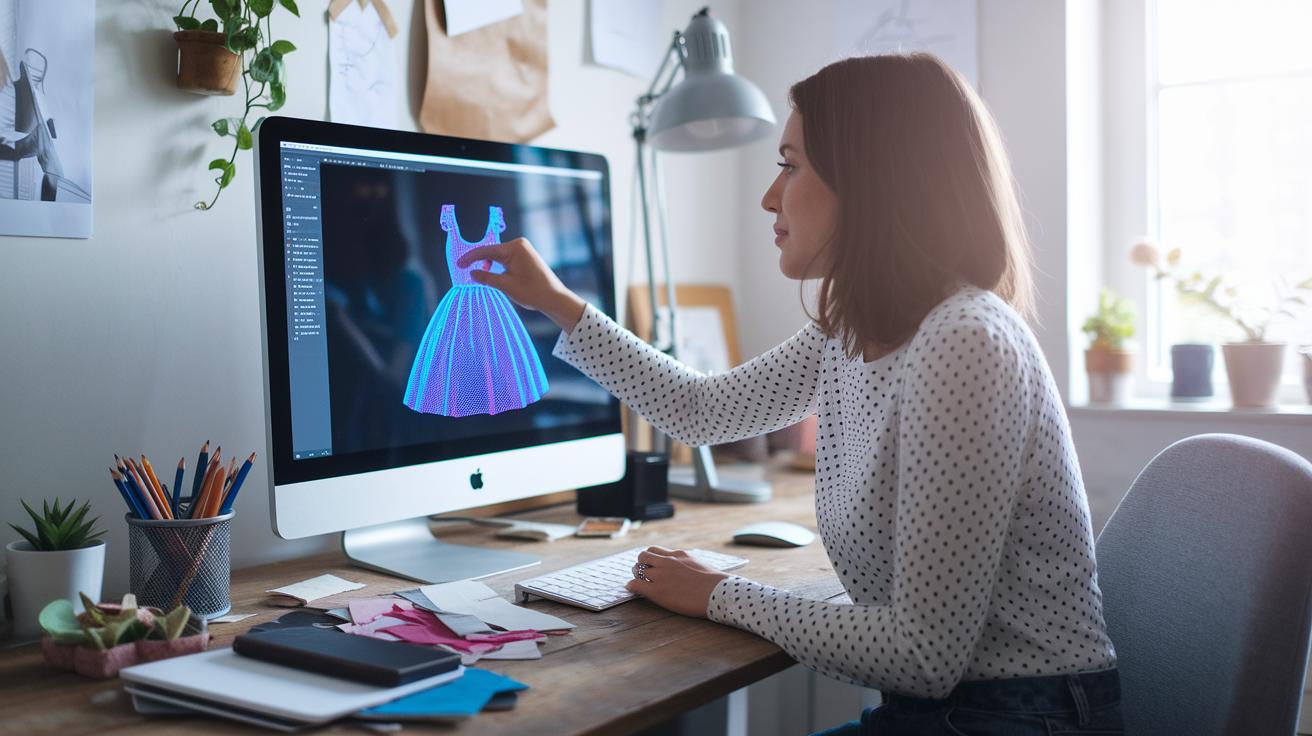
Digital tools are shaking up the way we design clothes. Designers now use virtual prototypes, think of them as digital dress-up games, to test and perfect designs on the computer. This cool method cuts down on fabric waste and energy because you don’t need as many real samples.
It sounds almost futuristic, right? Automated adjustments let designers see how a dress might fall or how a suit might drape as if it were real. And with smart features like automatic fabric layout planning, even scraps of unused material shrink a lot. In short, designers can now work in a digital space that’s friendlier to our planet, without the mess of creating too many physical samples.
Big brands like Under Armour are already on board and are saving both time and money. Tools like Optitex help lower fabric scrap and speed up the sample approval process. This means the fashion world is not only boosting productivity but also taking a big step toward a greener, cleaner future.
Future Trends in 3D Fashion Design Software
Artificial intelligence is ready to shake up how we create patterns and map textures. Soon, AI will handle those boring tasks like checking the fit and simulating fabric, which means designers can spend more time on the creative parts. Imagine a smart system that tweaks digital patterns on the fly, getting every detail just right while you sit back and enjoy the process. Fun fact: before making a name for itself, one small brand used AI to cut pattern revisions in half, leaving more time to spark creativity.
Augmented reality is also stepping up its game, turning outfit previews into full-on virtual try-ons. With AR and VR, you can see a digital version of a garment on a model, which helps designers get honest feedback about fit and style. Meanwhile, blockchain is making its way into the scene, promising secure digital ownership and unique NFT-style collections. It’s amazing how these innovations are blending the real and digital worlds to give us a fuller fashion experience.
Next up, designers are getting ready for toolkits that mix cross-disciplinary plug-ins with modular user interfaces. Future design platforms will bundle immersive design processes with collaboration features that feel as smooth as a perfectly tailored suit. As smart manufacturing and digital collections become the norm, building strong 3D skills is going to be essential. In truth, this new wave of technology is setting a fast pace, helping fashion move quicker and raising the bar for everyone in the industry.
Final Words
In the action, we zipped through a dynamic guide exploring how 3d fashion design software transforms digital clothing creation. We looked at core features like pattern drafting, fabric simulation, and virtual sampling, along with comparisons of top platforms and free trial options. The post also touched on sustainable practices and emerging tech trends that are raising the bar for modern design.
3d fashion design software isn’t just a tool, it sparks creative energy in every workflow. Let these ideas inspire fresh style and endless creativity.
FAQ
Q: What are some options for free 3D fashion design software and online clothing design tools?
A: The free options for 3D fashion design offer accessible choices like Blender’s open-source tools and trial versions from platforms such as CLO 3D and Marvelous Designer. Several websites also provide entry-level design features.
Q: Is CLO 3D free to download?
A: The CLO 3D platform offers a 7-day trial download, enabling designers to explore its advanced fabric simulation features. A full license requires purchase after the trial period ends.
Q: Is CLO 3D better than Marvelous Designer?
A: Comparing CLO 3D with Marvelous Designer, CLO 3D is favored for its versatile pattern-making and simulation capabilities, while Marvelous Designer shines with hyper-realistic draping. The best choice depends on your specific design needs.
Q: What software is commonly used for 3D clothing design?
A: The software used for 3D clothing design includes CLO 3D, Marvelous Designer, Browzwear VStitcher, and Blender. These tools combine pattern drafting, grading, and fabric simulation to bring digital apparel to life.
Q: What is the best free software for fashion design?
A: Many designers consider Blender the best free option because of its robust open-source feature set, though trial versions of specialized tools like CLO 3D also offer accessible ways to start with digital fashion design.
Q: How does Adobe support fashion design?
A: Adobe’s creative suite, including Illustrator and Photoshop, is widely used in fashion design for sketching, creating technical flats, and assembling mood boards, providing precise tools and vibrant visuals to boost a designer’s workflow.