
Ever wonder if your clothes could change right along with you? New tech and greener fabrics are giving our wardrobe a fresh twist that’s both smart and planet-friendly.
Imagine a jersey that cools you off on a blazing day or a dress crafted from natural fibers that feel soft and cool against your skin. It’s like fashion is getting a brain and a heart at the same time! Our article dives into how these nifty changes could completely reshape your closet and set up some really cool trends for the future.
Future Fashion Predictions: Industry-Wide Forecasts to 2030
Sustainability, modern technology, and changing consumer needs are shaking up the fashion world by 2030. We’re seeing eco-friendly fabrics like organic cotton, hemp, and bamboo taking center stage. Biodegradable textiles and recycled-plastic fabrics are also on the rise. And, get this: smart fabrics that adjust temperature and even track your health could change sportswear and medical gear, blending comfort with performance.
Tech innovations and shifts in what people want are speeding up market trends and changing how items are made. On-demand customization is set to blow up, letting you tweak designs while cutting down on waste. It’s pretty cool how digital breakthroughs and eco-friendly production methods are teaming up to create new retail and manufacturing styles.
I found some fun stats on these trends:
| Key Trend | Forecast |
|---|---|
| Eco-fibers | +40% usage by 2030 |
| Intelligent Textiles | Growing in active/medical wear |
| Social Commerce | $2.9T by 2026 |
| Virtual Try-On | $15.43B by 2028 |
| On-Demand Manufacturing | Expansion in customization |
The future of fashion is all about mixing minimalism and bold expression. Minimalist styles will focus on clean lines, quality materials, and sustainability, perfect for those who love simple, durable pieces. Meanwhile, maximalist trends will dare with bold colors and intricate patterns to celebrate creativity and individuality. It’s a dynamic mix that, thanks to real-time market insights and evolving tech, points us toward a more thoughtful and innovative age in fashion.
Futuristic Design Trends in Future Fashion Predictions
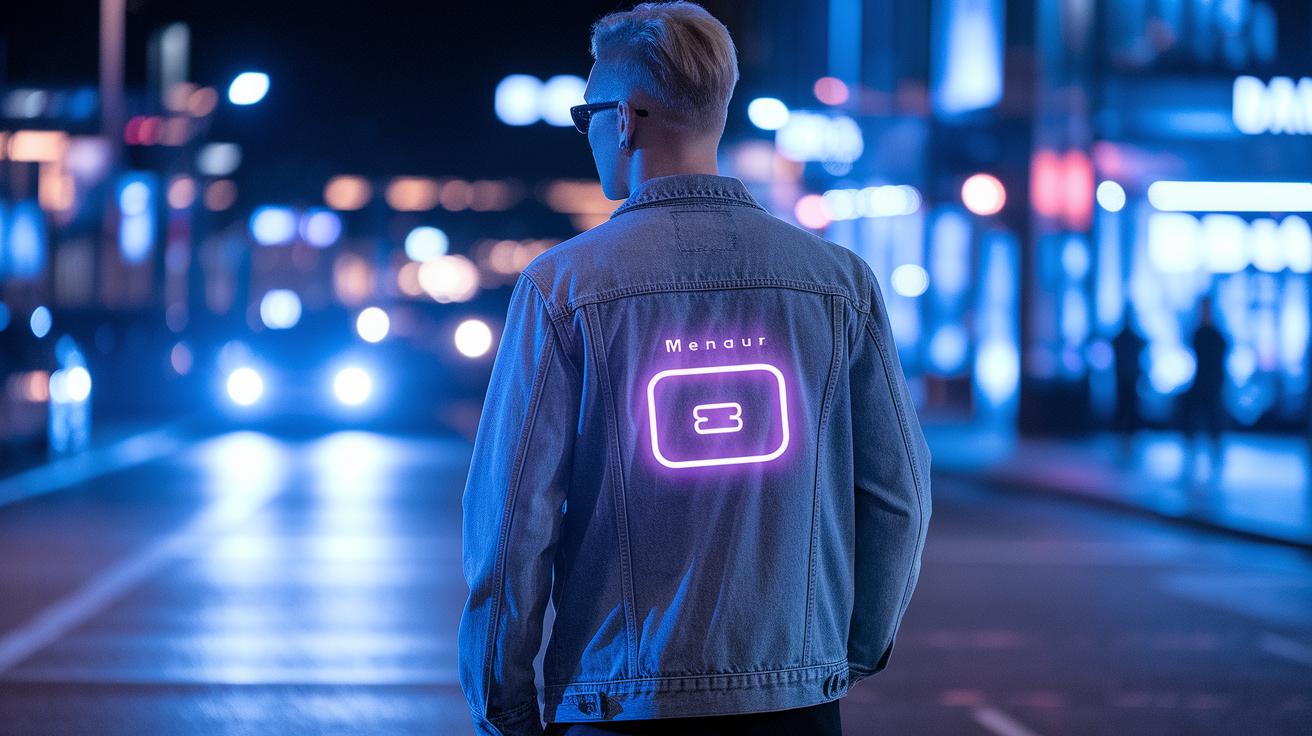
Retro styles are back, and they're rocking a future twist. Runway classics from the 70s, 90s, and early 2000s are making a stylish comeback. Now, these iconic pieces come with smart features like magnetic closures and built-in USB ports. Picture a timeless denim jacket that secretly charges your phone while you're out on the town. Wow, right?
Emerging designers are having a blast mixing clean, minimal designs with bursts of bold details. One minute, you're admiring sleek lines and careful stitching; the next, you're swept away by neon splashes and layered textures. It's that perfect tension between simple elegance and eye-popping drama that makes a look unforgettable. Ever thought about pairing a sharp blazer with bold, geometric accessories? Yeah, it's as cool as it sounds.
Then there’s the global twist. Designers are diving into cross-cultural prints and traditional patterns, giving them a modern edge with new production techniques. This cool blend of old and new means every collection feels both warmly familiar and totally ahead of its time.
Clothing Innovation Forecast for Future Fashion Predictions
You know how the push for circular materials is everywhere? Now, that spotlight is shining on cool new nanofiber tech. These clever fibers come in two flavors: self-cleaning ones that fight off stains so you can skip some washes, and moisture-wicking ones that keep your gear cool and comfy, even when you’re on the move. Startups are busy turning these prototypes into real, everyday fashion, giving sustainability a fresh, tech-savvy boost.
| Material/Feature | Sustainability Benefit | Application |
|---|---|---|
| Eco-Friendly Fibers (like organic cotton, hemp, bamboo) | Cuts down on chemical use and reduces waste | Everyday outfits |
| Biodegradable Fabrics | Lowers landfill impact | Daily wear collections |
| Self-cleaning Nanofibers | Saves water and energy by cutting down on washes | Performance gear |
| Moisture-wicking Nanofibers | Boosts comfort by managing sweat | Active and lifestyle wear |
Several startups are really pushing these ideas to new heights. One cool project shows off self-cleaning fibers that kick dirt and odor to the curb, imagine a running jacket that stays fresh and cuts your laundry time in half. Meanwhile, another project uses moisture-wicking tech to keep athletes cool, even during the toughest plays, picture a sports tee that zaps away sweat so you can focus on your game.
Future Fashion Predictions Spark Exciting Trends
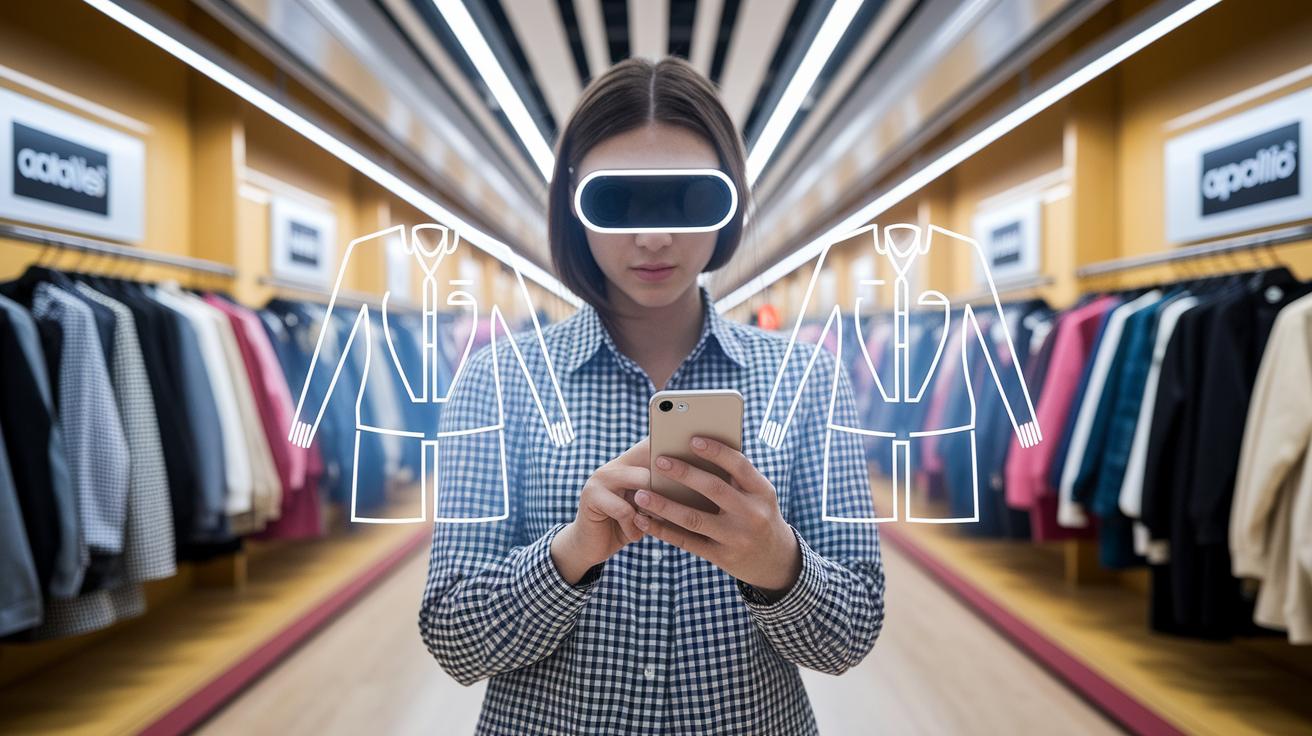
Smart mirrors and AI assistants are totally reshaping our shopping experience. Big names like H&M and Ralph Lauren are upgrading their stores with virtual fitting rooms, where you can see a digital overlay of garments on yourself. And get this, chatbot assistants are predicted to drive $142 billion in sales by 2024, giving you instant style advice on the fly.
- Virtual try-ons are set to grow at a 25.2% rate, reaching $15.43B by 2028.
- AR-infused apparel will let colors and patterns shift in real time.
- Sensor-based wearables are coming that can track your biometrics.
Imagine using your smartphone to spark digital effects right on your clothes. Augmented reality apps let you play with different looks and colors, as if you’re experimenting backstage. Plus, sensor-embedded fabrics might soon track your every move, creating a uniquely personalized style. Whether you’re shopping online or in-store, these smart innovations blend digital flair with real-life touch, taking your wardrobe to a whole new level. Have you ever wondered how cool it would be if your outfit could literally keep up with you?
Digital Style Transformation in Future Fashion Predictions
NFT-backed digital garments are shaking up online marketplaces. Designers are now launching exclusive, limited-edition pieces that digital collectors can truly own, stirring up excitement among fashion fans. And it’s not just about the screen, phygital pop-ups mix cool online avatar experiences with real-life try-ons. Picture stepping into a space where your digital self comes alive as you explore unique items in a physical venue.
Social commerce apps are getting smarter too. They let you check out fresh looks using neat digital tools like fashion AI (a smart tool that helps you visualize styles), blending online discovery with real-world visits. It’s like getting a sneak peek of a new trend right at your fingertips.
Metaverse runway shows are changing the game for designers. These immersive digital spaces are where new collections debut in a way that feels as dynamic as a live event. And fans get an active role too, through community-driven capsule drops that let everyone contribute to the next big trend. Cool, right?
Predictive Analytics & AI Style Forecasting in Future Fashion Predictions

Fashion forecasting is a bit like mixing quick snapshots with a long-range view. On one hand, micro forecasting picks up on fast-moving trends, think street style, social media buzz, and those striking runway moments that light up for one or two seasons. On the other hand, macro forecasting looks at bigger cultural shifts, market trends, and overall consumer habits over 18 to 24 months. This combo helps designers plan both for the current season and for future innovations.
Data is the heartbeat behind these style predictions. Companies pull insights from everyday street scenes, retail sales numbers, and a flood of social media chatter. They’re using smart machine-learning tools to sift through millions of details and spot trends in colors and fabrics. Modern AI models tie all this info together, catching subtle trends that might otherwise go unnoticed. By blending runway observations with detailed sales info, they create a forecasting system that gives creative teams real-time feedback.
Forecasting experts act like trusted style advisors for both luxury labels and fast-fashion brands. Their insights steer design and product choices, helping brands balance fresh creativity with market expectations. This mix of art and data drives smarter design decisions, better production timing, and bridges the gap between bold creative ideas and what buyers truly want. The end result? Collections that hit the mark and stay ahead in a competitive market.
Market Value Projections & Consumer Behavior in Future Fashion Predictions
Social commerce is booming, and virtual try-ons are drawing everyone’s attention. With a jump of $300 billion from 2022 to 2023, experts say the market could hit $2.9 trillion by 2026. Sixty-one percent of shoppers are excited to try on styles using AR tools, so digital experiences are a big deal now.
More shoppers are choosing brands that not only look good but do good, too. They want ethically made clothes and inclusive sizing. It’s all about picking outfits that match their values. Retailers are tuning in by mixing sustainable practices with a wider range of sizes. In short, today's buyers want fashion that speaks to their morals while staying modern and fun.
Influencers on platforms like TikTok and Instagram are stirring things up. Their posts feel like chatting with a friend, and their real-time recommendations can send trends flying off the shelves. Their honest style tips help guide shoppers from online discovery to checkout in no time. It’s a fast, ever-changing scene in the world of fashion.
Final Words
In the action, we've seen how sustainability and tech innovations are redefining fashion. Eco-fibers, smart textiles, and interactive virtual try-ons set the stage for a vibrant market where minimalist styles meet bold expressions.
We highlighted key trends, rising eco-fiber use, intelligent garments, booming social commerce, immersive tech, and on-demand customization. These future fashion predictions are reshaping our style landscape.
The road ahead is full of promise, encouraging us to embrace new fabric ideas and digital experiences in style.
FAQ
What do future fashion predictions on Reddit reveal about upcoming trends?
Future fashion predictions on Reddit reveal a push toward eco-friendly fibers, smart textiles, and on-demand customization that will shape accessible and innovative style choices in the industry.
What are the future fashion trends expected in 2025, 2026, and 2030?
Forecasts for 2025, 2026, and 2030 point to increased use of sustainable materials, digital try-ons, and smart garments that blend minimal design with bold statements for modern wardrobes.
How will future fashion designs influence the overall industry?
Future fashion designs will couple practical tech features with creative style, promoting eco-friendly practices and digital consumer experiences that transform both everyday wear and high-end fashion.
What do “Clothes of the Future 2050” suggest about long-term fashion evolution?
“Clothes of the Future 2050” suggest garments will be smart and responsive, offering integrated tech for temperature control and self-maintenance while emphasizing sustainability and comfort.
What is the 3-3-3 rule for outfits?
The 3-3-3 rule for outfits means balancing your look with three primary colors, three main pieces, and three layers to create a harmonious yet dynamic ensemble.
What will be trendy in 2025 fashion?
In 2025, fashion trends will include a mix of minimalist silhouettes and vibrant accents, enhanced by sustainable fabrics and digital innovations that cater to personalized and smart style.
What is the 20-year rule in fashion?
The 20-year rule in fashion suggests that design trends often reappear after two decades, inspiring contemporary styles with nostalgic elements that feel both retro and fresh.
What is the 7 rule in fashion?
The 7 rule in fashion encourages incorporating seven distinct elements—color, texture, pattern, fit, accessory, fabric, and proportion—to achieve a balanced and engaging overall look.