
Ever wondered how a tiny spark can turn into a show-stopping look? This story takes you behind the scenes of a designer’s journey, from a modest start to those unforgettable runway moments.
Imagine a workshop where the soft hum of sewing machines meets bursts of creative energy. Fresh ideas and time-honored techniques mix like a vintage outfit with a modern twist. Every stitch whispers its own story and every design builds on a lasting legacy.
It’s like watching a burst of color suddenly transform into a bold style statement. And when passion drives modern silhouettes, fashion becomes a personal tale of creativity and heart. Ready to see how a spark lights up the world of design?
Defining a Comprehensive Contemporary Fashion Designer Profile
These profiles give you a sneak peek into the creative journey behind the biggest names in fashion. They’re like a cool behind-the-scenes guide that covers everything from a designer’s early days to how they’re reshaping modern style. Think of it as getting to know both the roots and the latest milestones, like Coco Chanel setting trends long ago and Giorgio Armani launching bold new looks today.
They also show you what makes each designer’s vision so unique. Whether it’s their fresh techniques or a one-of-a-kind take on modern silhouettes, these profiles connect the flash of a runway debut to the deeper story behind every fabulous collection.
- Biographical background
- Signature collections and portfolio
- Design philosophy and artistic vision
- Creative process and craftsmanship
- Industry impact and future direction
When all these parts come together, they paint a picture that’s both personal and professional. Each detail, from the life story and standout collections to cool techniques and upcoming trends, helps you see how a designer shapes not just a look, but the whole narrative of fashion. It’s a chance for fans to grasp the bigger picture of how creative ideas influence the world of style.
Biographical Background & Brand Story in a Modern Fashion Biography
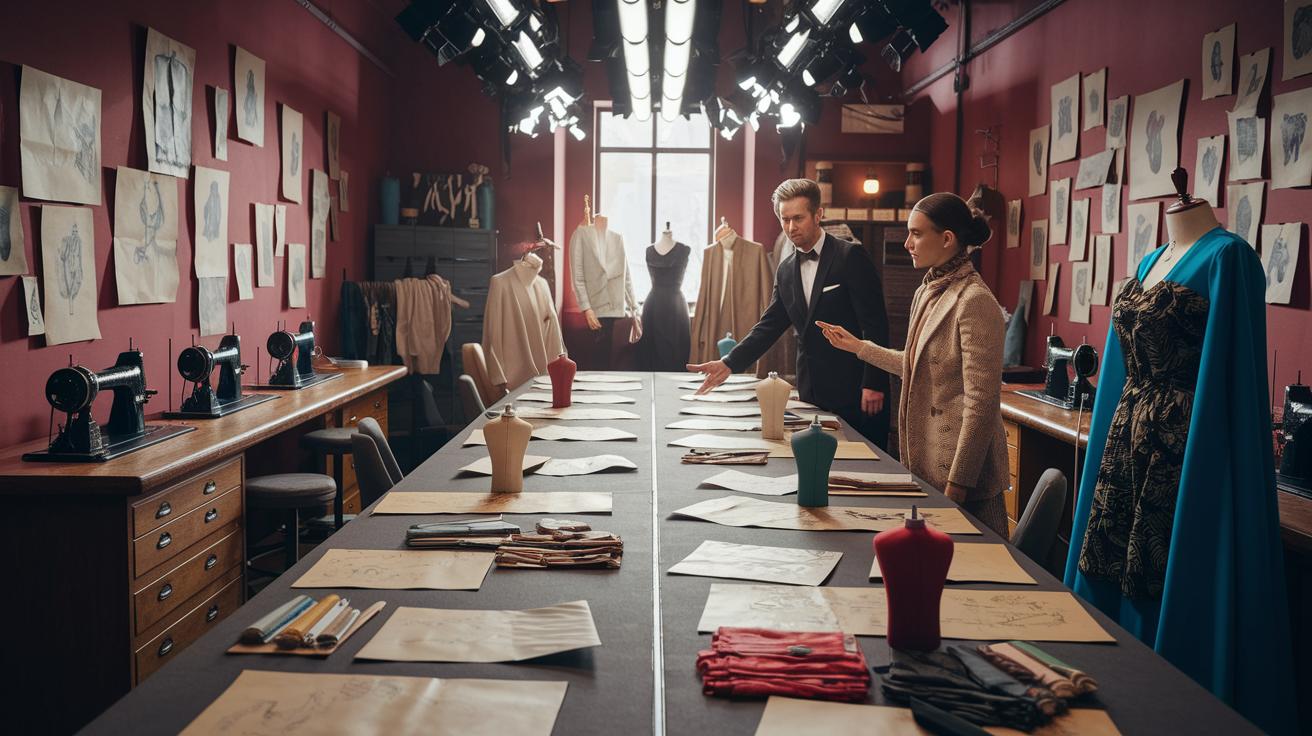
Understanding where a designer starts is key to seeing how their creative spark evolved. A modern fashion biography links personal stories with those big, life-changing moments that shaped their career. Humble beginnings set the stage for every creative leap, filling each milestone with a vibrant spirit of innovation.
| Year | Milestone |
|---|---|
| 1910 | Coco Chanel opens hat boutique in Paris |
| 1975 | Giorgio Armani launches eponymous label |
| 1984 | Donna Karan debuts DKNY in New York |
These key dates are like signposts in the journey of fashion innovation. Chanel’s 1910 hat boutique was a bold move that spotlighted modern simplicity. Then, in 1975, Giorgio Armani reimagined menswear with crisp, clean designs that caught the world’s eye. And in 1984, Donna Karan introduced DKNY, blending stylish elegance with everyday appeal. Each of these steps tells a story of passion and creativity, a reminder that personal journeys and cultural shifts go hand in hand, constantly inspiring new talent and sparking daring trends in today’s ever-changing fashion scene.
Signature Style & Design Philosophy Reflecting Contemporary Aesthetics
Signature style is that unique visual vibe every designer carries, a personal stamp that turns simple fabric into a bold statement. It’s the blend of shape, detail, and personality that makes a piece instantly recognizable. For instance, imagine a designer jotting down ideas on napkins that later evolve into a groundbreaking collection. It’s a perfect example of how everyday sparks can lead to iconic looks.
Three standout innovations bring this idea to life. Think about how Dior’s New Look in 1947 reshaped femininity with its structured elegance. Then there’s Yves Saint Laurent in 1966, whose strong lines and daring cuts made women feel empowered and confident. And of course, who can miss Christian Louboutin’s famous red soles? A small detail that loudly declares brand identity. Picture models on a runway, strutting with subtle hints that set trends without saying a word.
Modern, avant-garde methods mix unexpected materials with clever techniques, turning every outfit into a work of art. Each stitch and seam becomes part of a bigger story, one where personal creativity meets modern culture. It’s like an ever-changing conversation between tradition and innovation, where every collection pushes the limits of today’s aesthetics while staying true to a clear, artistic vision.
Collection Highlights & Key Runway Collections in Contemporary Profiles
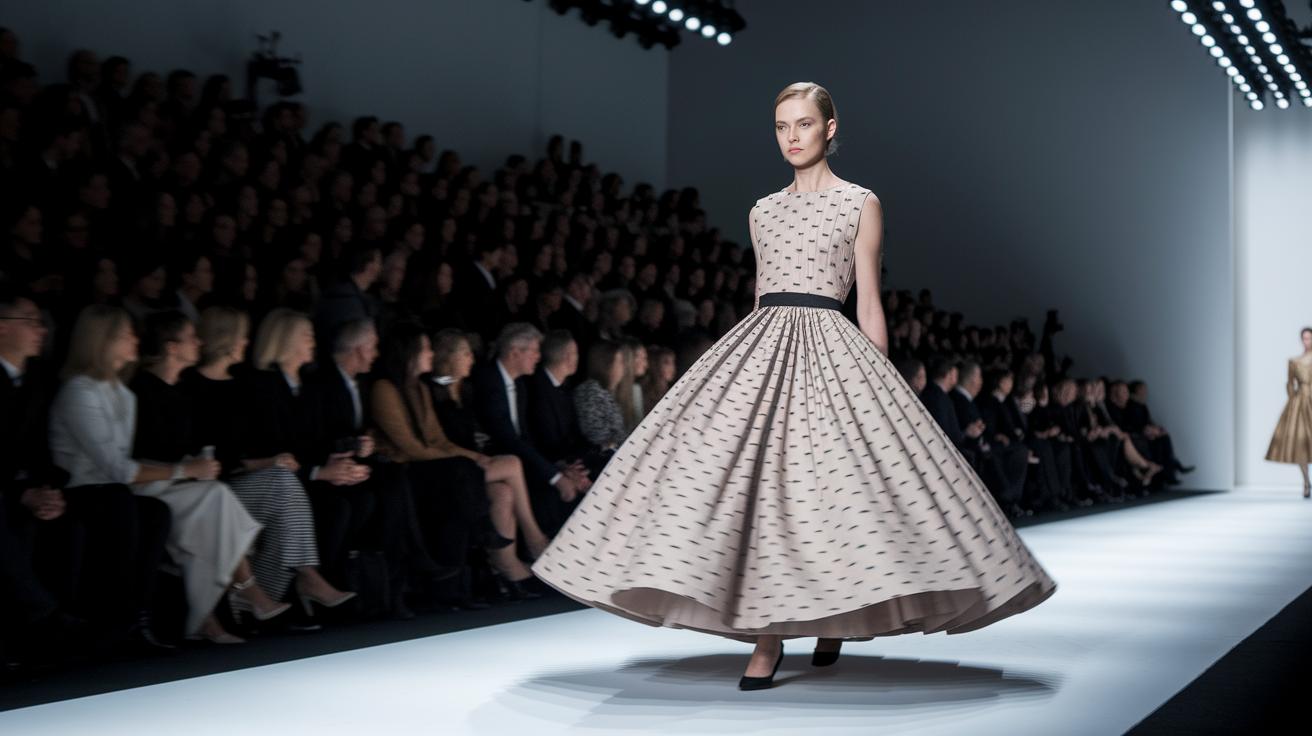
Choosing one runway show to capture a designer’s evolution is a bit like picking the perfect snapshot from a grand movie. Every collection marks a special moment and weaves a story with its fabric, shape, and graceful movement.
Back in 1947, Dior unveiled the New Look, a collection that changed fashion forever. The designs featured bold lines and big, flowing skirts that reshaped how we see femininity. Picture soft lighting, the gentle rustle of luxurious fabric, and a model stepping forward to tell a new post-war story.
In 1975, Armani made a memorable entrance with his ready-to-wear line, clothes made to be worn straight off the rack. His collection showed off clean cuts and a simple, modern style that mixed practicality with high fashion. It was a debut that set a tone for every tailored piece that followed.
By 1997, Versace entered a turning point following Gianni Versace’s passing. The runway turned into a stage for fresh ideas, where classic luxury met daring innovation. Each piece during this time showed how a new creative vision can energize and redefine a brand’s story.
Then in 2014, Dries Van Noten reimagined the runway with a bold exhibition at Paris’s Musée des Arts Décoratifs. His show blurred the lines between art and fashion, as if the models were walking paintings. It was a display of modern silhouettes and smart textile choices that left viewers inspired.
Each of these moments shows expert design and tells a clear story in a designer’s journey. Together, they reveal how fashion evolves by blending history, creativity, and a never-ending search for fresh style.
Creative Process & Innovative Tailoring Within a Designer Portfolio
Visual documentation plays a key role in capturing a designer’s creative journey. Sketches, tech packs (that’s just a fancy name for design sheets), and studio photos let us peek into the designer’s workshop, showing off little bursts of inspiration and the work happening behind closed doors. A hand-drawn sketch might even turn into the plan for a whole collection, while those candid studio snaps bring out the real, hands-on energy behind every design.
Tailoring innovations are a big part of a designer’s story. Remember how Tom Ford got really involved with fabric cuts and fits at Gucci before 2006? His careful approach helped create those sleek, modern looks we love. And then there’s Alexander McQueen, whose process of going from a rough sketch to a finished garment shows just how much a design can evolve. Even Michael Kors mixes sporty touches with a luxurious feel to craft structured silhouettes that stand out. It’s all about that technical precision giving each piece a unique vibe.
Craftsmanship and playful experiments with materials also shine in these portfolios. Designers often blend classic techniques with new-age materials to build pieces that are as tough as they are stylish. Their clever spins on fabric and seam finishes are a real treat, making each garment feel almost palpable. In truth, the mix of detailed documentation and creative flair makes the whole process come alive, showing us how innovative tailoring meets fresh ideas to shape today’s fashion scene.
Fashion Industry Impact & Future Vision in a Contemporary Profile

Measuring a designer’s impact isn’t just about big runway shows. It’s also about real numbers, like Armani’s $1.6 billion a year, and the everyday buzz that pops up in conversations and on social media. Sure, the figures matter, but the way a brand sparks talk and influences pop culture really shows its true power.
New talents like Sohee Park and Rami Al Ali are shaking up the scene. Sohee Park mixes old traditions with fresh ideas in a way that feels both warm and bold, making her a real trendsetter. And Rami Al Ali brings an energetic spark that hints he could be a future fashion visionary. Their work connects the cool vibe of street style with the high-end look of high fashion, striking a chord with young fans and inspiring everyone to see trends in a new light.
These stories and numbers help us guess where fashion might be heading next. By keeping an eye on trends and fresh case studies, we can imagine how creative ideas today might shape the styles of tomorrow.
Final Words
In the action, we explored how a designer's unique past and signature style converge with their standout collections and crafty techniques. The breakdown took you from personal background, impressive runway highlights, to hands-on creative methods. We also examined the measurable influence a designer holds in the industry. Every part connects to form a complete contemporary fashion designer profile that not only informs but also inspires. The artistry and talent behind the process leave us feeling excited about what’s next!
FAQ
How do I write a fashion designer profile or bio?
The process of writing a fashion designer bio involves summarizing your journey, design philosophy, career milestones, and creative inspirations in clear, friendly language that captivates readers and highlights your unique artistic vision.
What is a contemporary fashion designer?
A contemporary fashion designer combines traditional craft with modern techniques, blending classic inspiration with fresh trends and innovative materials to create designs that feel current and uniquely personal.
How do I introduce myself as a fashion designer?
Introducing yourself as a fashion designer means sharing your background, creative process, and standout work in a friendly tone that invites curiosity about your passion and distinctive style.
What makes the best contemporary fashion designer profile?
The best profile presents biographical details, signature collections, artistic vision, creative methods, and industry influence in a neat narrative that connects with both fashion insiders and enthusiasts.
What are some examples of contemporary fashion designer profiles?
Contemporary profiles often highlight inspiring journeys, showcasing designers with clear storytelling that weaves personal anecdotes, career milestones, and fresh creative approaches to capture modern fashion trends.