
Ever noticed how some businesses seem to predict the future? They use trend analysis, a neat trick that turns everyday numbers like sales data and online chatter into a clear game plan.
Imagine the glimmer of sequins on a runway. Each tiny detail hints at what’s coming next in the market. This smart method lets companies plan better, spot growth chances early, and dodge risks before they hit.
It’s almost like having a secret roadmap guiding every move with solid, proven insight. Ready to see how these savvy tools can give your business a boost?
Trend Analysis Fundamentals: Defining Core Concepts and Applications
Trend analysis is all about spotting patterns in data. It takes everyday numbers like monthly sales, website visits, and social media buzz, plus customer reviews and sentiments, and turns them into a clear picture of where things are headed. Imagine watching the glimmer of sequins under soft stage lights, each detail matters.
It’s a game changer because it transforms raw data into smart insights. This process helps businesses plan better, reduce risks, and discover opportunities they might have missed. For example, one well-timed analysis helped a retailer switch up their marketing mid-season, boosting revenue by 25% overnight!
Let’s break it down:
| Trend Direction | Description |
|---|---|
| Upward | Gains in sales and site visits, with customer excitement growing. |
| Downward | Sales slump or dwindling interest among customers. |
| Sideways | Little change over time, suggesting a steady, holding pattern. |
Businesses mix both hard numbers and soft customer insights to make decisions, from marketing to supply chain tactics. For instance, a brand might notice a bump in online visits and adjust its stock right before a seasonal rush. Similarly, customer feedback can spark tweaks in product design or service. In a nutshell, trend analysis acts like a trusty compass, guiding where to invest resources, manage risks, and ensure every move is backed by data. It's like having a personal stylist for your business strategy, keeping everything fresh, agile, and on point.
Historical Trajectory Review in Trend Analysis

Historical data is like a treasure chest for business insights. Reliable sources, sales reports, website analytics, industry research, and old financial statements, show us how things have been. They reveal recurring buying habits and shifts in market buzz, forming the foundation of a smart review.
Techniques like moving averages smooth out wild seasonal swings. It’s like watching the glimmer of sequins under soft lights; erratic spikes turn into smooth trends. This method helps pinpoint regular cycles, such as holiday surges and slower mid-year periods. It’s essentially reading the market’s heartbeat.
One online retailer once combined past e-commerce sales with moving average trends to predict future demand. They spotted when sales would climb or dip and adjusted their stock ahead of time. This savvy move ensured customers were happy without piling up unsold items. In truth, these insights keep businesses nimble and fine-tune long-term plans.
Statistical Pattern Computation Techniques in Trend Analysis
Linear regression is a handy way to unravel trends and measure their strength. It draws a best-fit line through your data points and gives you an R-value that shows how well the data aligns with the trend. It’s just like catching a steady beat in a favorite song, clear and dependable. And then there are smoothing techniques, like moving averages and smoothing line calculations, which cut through the random noise to reveal the real movement. Think of it as watching fabric ripple slowly in the wind. Tools found in programs like Shopify Analytics or Excel not only bring these trends to life but also check error margins and significance levels, giving analysts a firm foundation to work from.
Spreadsheet slope functions are equally important when you want to see how fast values change over time. They use built-in, straightforward formulas to gauge these shifts. This set of methods bridges the gap between raw data and practical insight by offering a clear snapshot of trends over different time periods.
| Technique | Description | Use Case |
|---|---|---|
| Linear Regression | Draws a best-fit line and calculates an R-value to show data alignment | Predicting sales growth and gauging trend strength |
| Moving Average | Balances out data bumps by averaging nearby points | Smoothing seasonal fluctuations in website traffic |
| Smoothing Line | Reduces short-term bumps to spotlight long-term trends | Highlighting broader consumer patterns |
| Slope Function | Measures the rate of change in data over time | Tracking shifts in monthly performance |
Choosing the right method depends on the quality of your data and your analysis goals. For data that swings around a lot, smoothing techniques might clear things up better. But if your dataset is steady, linear regression can pinpoint trends very precisely.
Data Progression Forecast and Predictive Movement Modeling
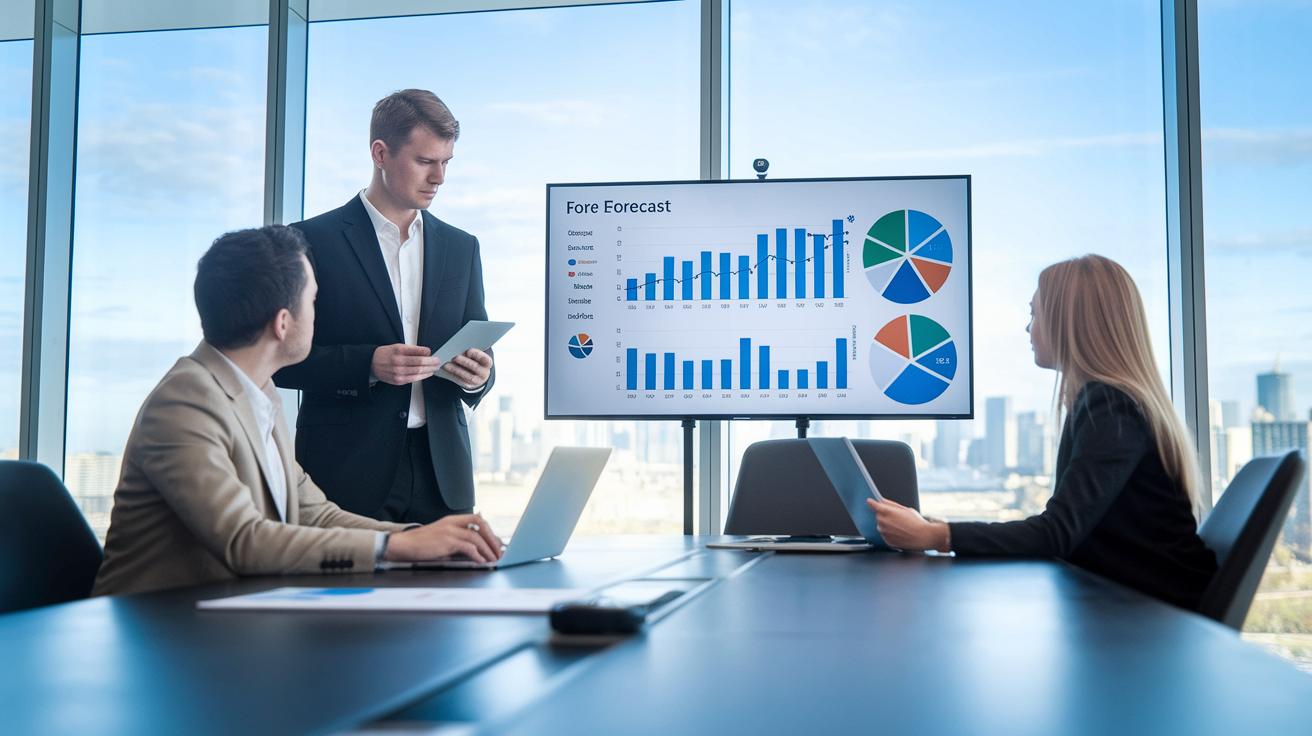
Forecasting takes what happened before and uses it to guess what might happen next, helping tailor business strategies. It turns everyday numbers, like monthly sales, website hits, and customer reviews, into a useful tool for planning resources and stocking up. Think of it as a clear snapshot of what could come next, so businesses can gear up for busy seasons or quieter times.
Predictive movement modeling covers a range of smart techniques. Sometimes, a simple method known as linear extrapolation pushes current data forward to predict trends. More detailed approaches, like ARIMA models (which factor in seasonal changes and repeating patterns), add extra depth. And when huge piles of data need sorting out, machine learning algorithms jump in to spot those small shifts in customer demand that you might miss at first glance. In short, these techniques turn everyday numbers into a strategic roadmap.
Imagine an athletic brand using these methods to figure out how many pre-workout supplements to stock. By mixing past sales figures with seasonal trends, the models predict when customers are likely to buy more. That insight helps adjust inventory so that when exercise trends heat up before major events, everything is in place. This clear forecast not only keeps stock levels right on point but also fine-tunes advertising and pricing, ensuring products match customer interests perfectly.
Trend Analysis: Smart Methods for Market Insight
Digital analytics tools really drive smart trend spotting. Think of platforms like Semrush that serve up search data and SEO trend insights, you get a clear picture of what shoppers are into right now. And then there's Shopify Analytics with its interactive dashboards; it's like watching data come to life over time. Brandwatch jumps in with real-time social buzz, giving you quick snapshots of customer vibes. Meanwhile, Tableau turns raw numbers into visual stories that feel as crisp as a fresh outfit on the runway.
If you're into extra precision, spreadsheet tools and coding libraries are your go-to. Apps like Excel let you predict trends using built-in formulas and charts, which is super handy for anyone starting out. And for those who crave a deeper dive, Python libraries like Pandas and StatsModels open up advanced statistical methods. Plus, GitHub modules are a playground for custom workflows, so you can tailor your insights to your business needs.
At the end of the day, choosing the right tool is all about matching your needs, budget, and style. Some folks might lean on online reviews to pick user-friendly forecasting tools, while others stick with the comfort of Excel. For tech enthusiasts, Python libraries offer a flexible, scalable setup to capture market nuances. In truth, the best choice is the one that fits smoothly into your current process while leaving room for growth as the market shifts.
Case Studies and Practical Examples of Trend Analysis
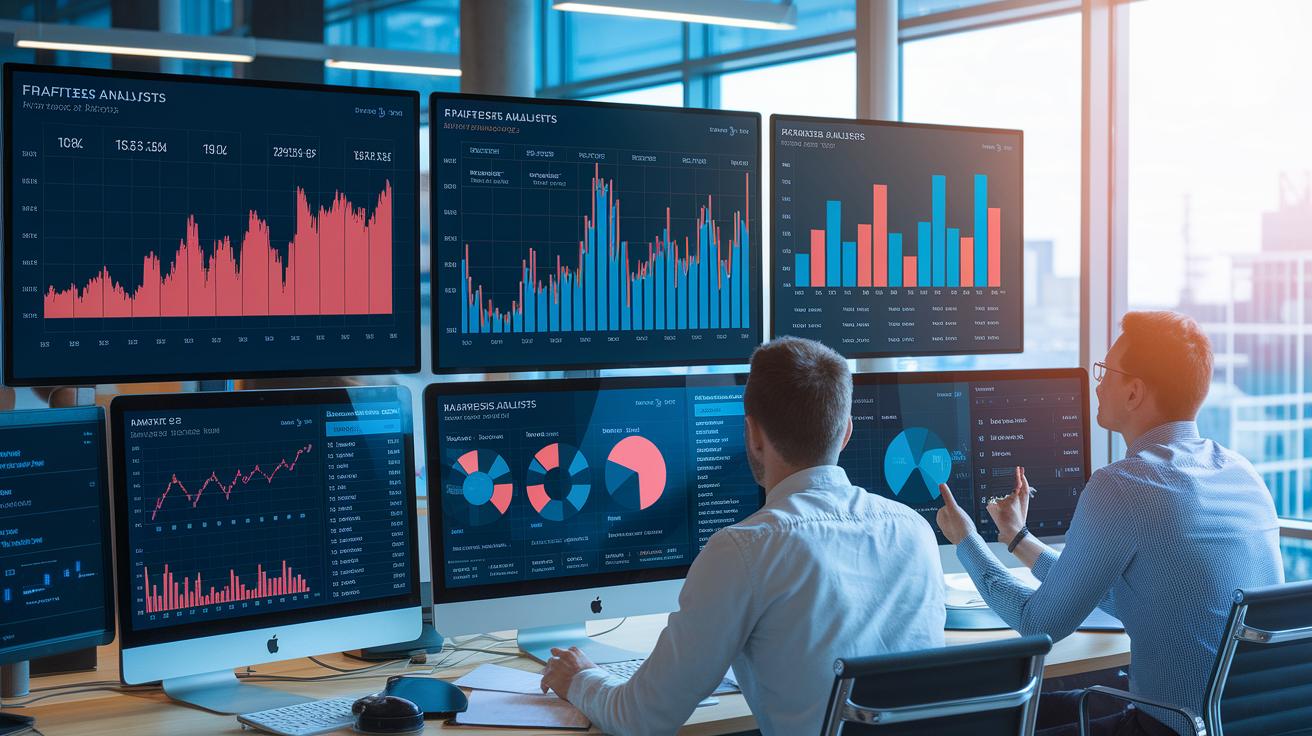
One online retailer took a smart, hands-on approach by combining website traffic numbers with sales data from supplements. They tracked detailed sales reports and noticed how customers moved around the site, catching a spike in traffic just before more purchases happened. This insight let them adjust their stock in time for new trends, making it easier to keep up with what customers really wanted.
Another food company paid close attention to the buzz around plant-based meat. They kept tabs on social media and online reviews to see shifts in what people were talking about. With these easy-to-spot clues, they rolled out a new product that hit just the right note with today’s sustainable eating trends.
A financial firm, meanwhile, looked at profit trends during a slow market. Using a method called linear regression, a way to study past numbers, they saw earnings slowly falling. This clue made them take a closer look at how companies were performing, helping them make smarter moves for safer investments.
Real-time Pattern Recognition and Automated Analysis in Trend Analysis
Real-time monitoring is a major force in keeping up with fast-changing markets. With tools like Brandwatch, which picks up on what customers are saying, businesses can catch signals as they happen, almost like spotting a flash of light in the dark. This quick detection makes it possible to notice small shifts that might otherwise slip by, giving brands the chance to react in a heartbeat.
API-based data pipelines and automated workflows work together to pull in data non-stop. They continually track key numbers and trigger alerts when something unusual pops up. Machine-driven algorithms then sort through huge amounts of data in real time, much like flagging only the important emails in your inbox.
These instant insights are a game changer in bustling markets. When automated analysis catches a new trend, companies can quickly make adjustments, whether it’s tweaking inventory or fine-tuning a marketing campaign. For example, if mobile analytics show an unexpected spike, decision-makers get an immediate alert, helping them turn market signals into smart, rapid moves.
Visual Data Progression and Graphical Pattern Illustration in Trend Analysis
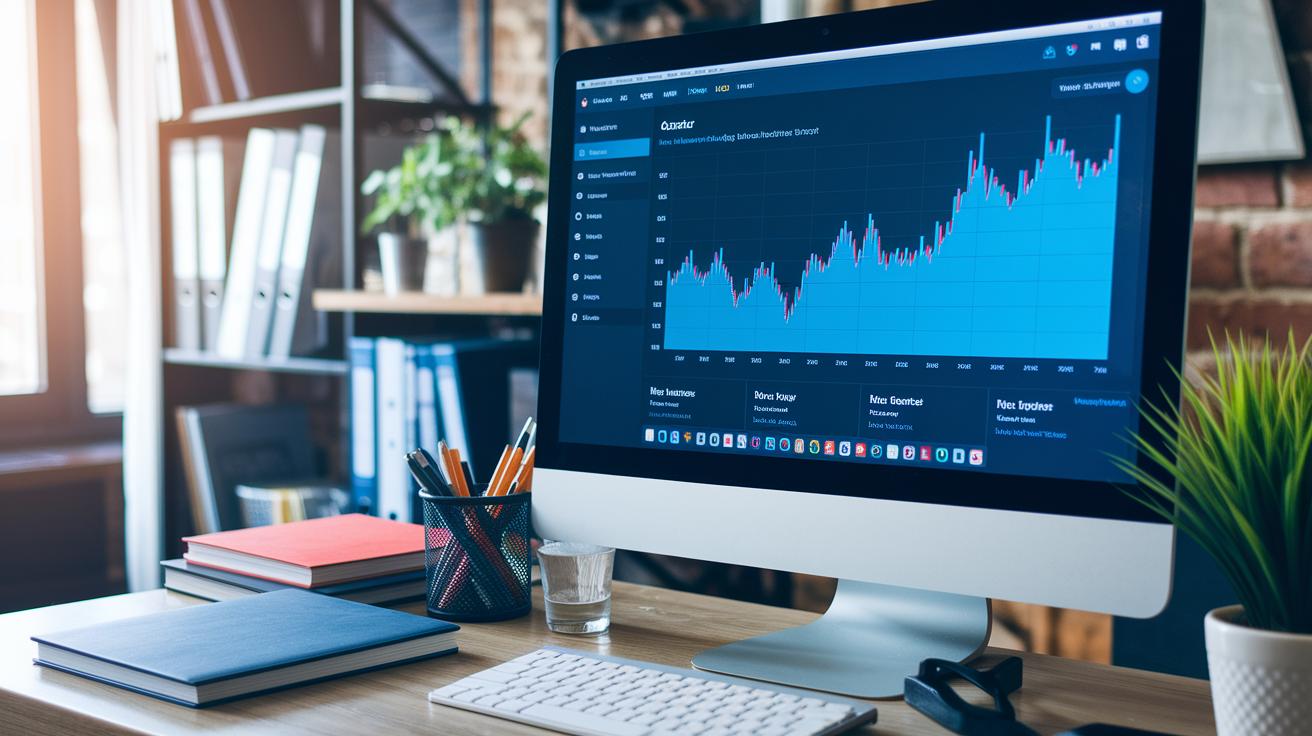
Picking the right chart really makes a difference when you’re sharing trend insights. Dynamic charts that use moving averages help smooth out those little jumps in the data while showing the true direction. Tools like Excel or Tableau let you plot curves that bring numbers to life, making it easy to explore the data interactively. Smoothing techniques reveal steady patterns, so you can easily follow changes in customer behavior or sales cycles.
Spreadsheet tips also suggest using custom templates for clearer presentations. Interactive dashboards let you tweak views and dive into details as needed. And when you design templates with clean lines and clear labels, even complex data feels accessible. These visualization practices turn static numbers into a lively story that deepens your understanding of market trends and sparks smart, confident decisions.
Final Words
in the action, we explored trend analysis fundamentals that break down data into clear, understandable patterns. We covered everything from basic statistical methods like linear regression and moving averages to forecasting models and real-time tracking. The blog walked through historical examples, practical case studies, and even visualizing data trends with straightforward tools. With these insights at hand, you're ready to see how simple adjustments can impact strategy and style. Let this trend analysis serve as a spark for fresh ideas and confident decisions.
FAQ
Trend analysis formula
The trend analysis formula explains how to compute a rate of change in data, often using linear regression techniques in programs like Excel to reveal patterns and forecast future outcomes.
What is trend analysis in accounting
The trend analysis in accounting examines financial data over time to reveal recurring patterns, helping businesses predict growth or decline and make knowledgeable financial decisions.
Trend analysis example
The trend analysis example involves comparing monthly sales figures to detect patterns—such as upward, downward, or steady results—that can inform future business strategies.
Trend analysis in Excel
The trend analysis in Excel uses features like linear regression, moving averages, and chart visualization to identify data patterns and project future trends with clarity.
Trend analysis online
The trend analysis online employs digital tools to process real-time and historical data, offering visual insights and forecasts that benefit business strategies and market understanding.
Trend analysis statistics
The trend analysis statistics utilize measures like averages, slopes, and R-values to quantify data movements, providing a clear assessment of the strength and direction of trends.
Trend analysis PDF
The trend analysis PDF typically offers instructions and examples on performing data evaluations, providing step-by-step guidelines that help you interpret trends effectively.
Trend analysis in project management
The trend analysis in project management tracks key performance metrics over time to pinpoint progress, anticipate risks, and guide adjustments for improved project delivery.
What is meant by trend analysis
The phrase trend analysis means reviewing historical data to identify repeating patterns, enabling businesses to plan ahead, improve decision-making, and optimize performance.
What are the 6 steps in trend analysis
The 6 steps in trend analysis generally include collecting data, preparing it, choosing the method, computing trends, interpreting the results, and presenting the findings for strategic insights.
What are the three types of trend analysis
The three types of trend analysis cover upward (bull market), downward (bear market), and sideways (rangebound market) patterns, offering a snapshot of different movement directions.
What best describes trend analysis
What best describes trend analysis is a systematic evaluation of historical data to spot patterns, enabling smarter decision-making and strategic planning based on clear data insights.