
Have you ever thought your clothes could help the planet? I was chatting with a creative style maker who loves eco-friendly ideas, and she showed me how cool fashion can protect nature.
She explained simple ways to reuse old fabrics and support fair work practices, making every outfit feel like it has a story. It’s like watching the glimmer of recycled sequins under soft stage lights, refreshing and smart.
What if your everyday style could make a big difference? Your wardrobe might just be the spark for a greener future.
Essential Insights from a Sustainable Fashion Designer Interview
The latest interview series gives us a peek into eco-friendly styles and sparks a friendly chat about taking care of our planet with a fashion twist. REV On Air shows how smart design is shaking up the scene with clever ideas and fair sourcing. Big names like Mara Hoffman, Sonia Mota, and Stella McCartney are urging everyone to switch to methods that protect our environment. One cool fact: before diving into recycled materials, Mara Hoffman used repurposed textiles to handcraft bright, vibrant fabrics, proving that creativity can really help our Earth. They share stories about fresh farming methods, fair work conditions, natural beauty tips, and efforts to save nature in everyday design.
Inspired by many creative journeys, these interviews encourage aspiring designers to try zero-waste patternmaking, source organic fabrics, and keep production honest. Their real-life insights remind us that style can look great while staying kind to the planet. These eco-friendly ideas spark imagination and call for a fair approach that lifts up both the art of design and the industry as a whole. The chats show that when sustainability weaves into every step, fashion turns into a powerful tool for social and environmental change. It’s a lively conversation that captures the passion behind each project, inviting both seasoned designers and newcomers to embrace a future where style and eco values work hand in hand.
Inside the Career Journeys of Sustainable Fashion Designers
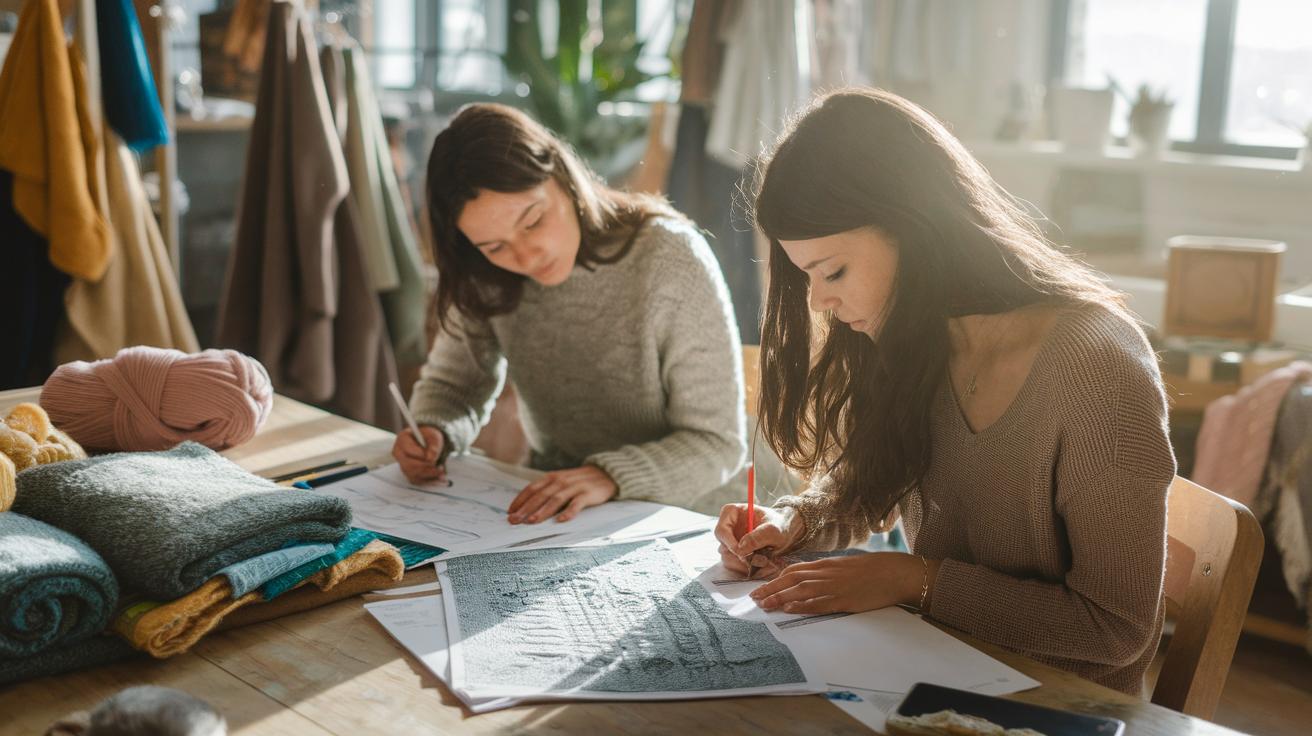
Sonia Mota Background
Sonia teamed up to launch Francis Stories, a brand dedicated to women’s knitwear that feels both cozy and creative. She built seasonal, eco-friendly collections that mix comfort with a fresh design flair. Every piece carries a nod to tradition while pushing forward green innovation. I guess what really stands out is how each item feels like a gentle nod to the past, yet bursts with modern energy. Check out her inspiring beginnings on the indie fashion designer profile.
Stella McCartney Upbringing
Stella’s childhood was filled with care for animals and an environment where kindness was a way of life. Growing up in a family that practiced gentle, thoughtful living, she learned early on to value compassion as much as style. Those warm values now shine in every collection she creates, blending ethical choices with trendsetting design. Have you ever noticed how early influences can shape the way we see the world?
Mara Hoffman Transformation
Mara Hoffman made a bold move by steering her New York label toward full sustainability. As she stepped into the role of creative director, she revamped her brand to champion eco-friendly materials and fair production methods. It’s a refreshing reminder that even well-known designers can reinvent themselves while keeping that daring, innovative spirit alive. Her journey challenges us to embrace change and let sustainability be at the heart of creative style.
Ethical Design Techniques in Sustainable Fashion
Designers today are rethinking how they create clothes, aiming to cut down on waste while keeping ethics at the heart of every design. They’re pushing zero-waste patternmaking, an approach where every bit of fabric, like Organic Cotton or Organic Linen, is planned to be used, much like putting together the perfect puzzle.
Imagine a cutting table where no scrap goes to waste. Designers carefully plan every cut, letting even the tiniest leftover play a role in the final design. It’s like turning potential waste into a hidden gem that adds to the creative process.
And then there’s modular construction. Think of it as building a stylish outfit piece by piece, just like assembling a fun puzzle. This method not only makes clothes unique but also makes them easier to repair or change up whenever you fancy a fresh look.
Clean production processes are working hand in hand with these techniques. Every step, from design to sewing, is planned with care, meeting high ethical standards while keeping our environment happy. Designers are now leaning towards made-to-order models too, so production happens only when there’s an order on board. This way, unsold stock and textile waste are almost totally wiped out.
Beyond the design floor, fair-trade partnerships play a huge role. By working with artisans and ensuring fair production practices, designers help support communities that value quality over overflowing warehouses. Sustainable loungewear and Zero Waste collections, for example, are changing how we expect our clothes to be made. Each piece is crafted with a mindful commitment to the environment, from small batch production to careful material choices.
Every stitch and seam tells a story of clean, transparent, and socially responsible practices. It’s a beautiful blend of creativity and care for our planet. Have you ever seen a garment that feels as thoughtful as it looks? These sustainable techniques prove that style can and should go hand in hand with caring for our future.
Innovative Textile Development and Advanced Manufacturing Methods
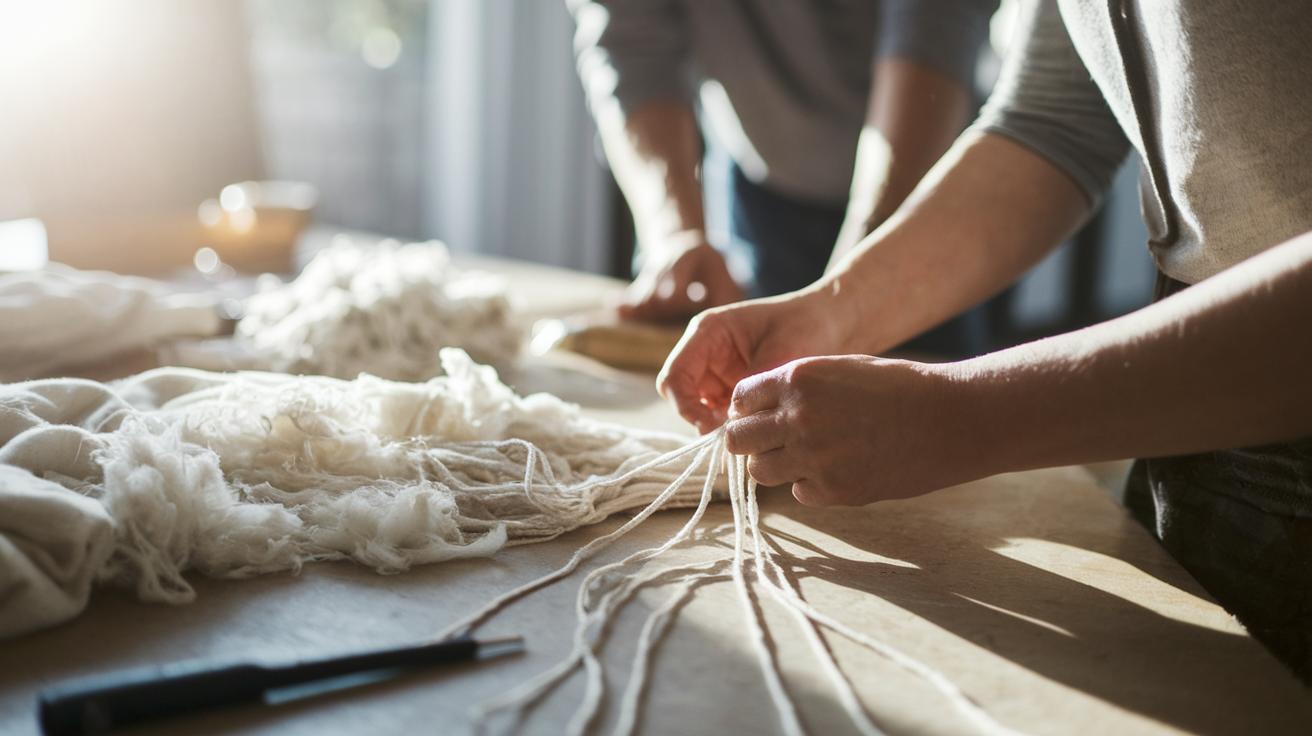
Designers are finding fresh ways to mix natural fibers with modern techniques. They’re leaning into nature by using materials like Organic Cotton and Organic Linen – favorites for fans of eco-friendly fashion. These fabrics offer the perfect combo of everyday comfort and green sourcing. And you know what? REV On Air has already shown us how regenerative farming links agriculture with innovative textiles, nudging designers to go green.
Experts are now using cutting-edge manufacturing methods to try new techniques that cut waste and keep production clean. Collaborations like Rêve En Vert x Thyme are pushing limits with experimental eco-blends that spark endless creative ideas. It’s clear that natural materials are more than just cozy, they’re driving fresh innovation in design and production. This creative mix is challenging old patterns and pushing designers to rethink how they source and use materials for stylish, sustainable collections.
| Material | Source Method | Designer Application |
|---|---|---|
| Organic Cotton | Regenerative farming practices | Used for airy, everyday garments |
| Organic Linen | Sustainable traditional cultivation | Preferred for crisp, breathable pieces |
| Eco-Blend | Collaborative experimental eco-blends | Applied in innovative, trendsetting designs |
In short, this mix of natural fabric innovation and advanced textile tech is setting the stage for a future where eco-friendly practices spark bold new designs. It really feels like we're on the brink of a stylish, sustainable revolution!
Challenges and Solutions from Sustainable Fashion Designer Interviews
In these candid chats, designers open up about the real hurdles of weaving green style into every phase of their work. Mara Hoffman explained that growing fair practices while keeping her creative spark intact is no small feat. And Stella McCartney shared her struggle to balance preserving biodiversity with running an ethical supply chain. Sonia Mota, meanwhile, talked about how seasonal ups and downs throw off her knitwear lines by messing with the timing of quality material sourcing.
These stories remind us that even top brands face tough challenges. Designers often have to hunt for a steady flow of organic and recycled materials to stay true to eco-friendly ideals. They work hard to keep ethical sourcing on par with fair pricing, ensuring that sustainability doesn’t break the bank. As production ramps up, maintaining those values becomes a delicate balancing act. And many brands need to tweak their processes to handle seasonal supply changes, which is especially tricky in knitwear where timing truly matters.
| Challenge |
|---|
| Securing consistent organic and recycled materials |
| Balancing ethical sourcing with competitive pricing |
| Scaling fair production without sacrificing brand integrity |
| Adapting processes to seasonal supply and demand shifts |
Green Trend Interview: Forecasting Sustainable Fashion Market Trends

Autumn's in full swing, and this season is all about mixing bright eco-friendly colors with a cool clean-clothing vibe. Imagine the soft blend of nature’s shades on a chilly day, where every color feels like a whisper of the outdoors. It’s like style and sustainability are having a friendly chat, showing off that modern twist while keeping things real.
Sonia Mota’s new knitwear drop for autumn is turning heads with its gentle nod to nature. It’s as if each piece carries a secret message from the earth, inviting you to update your wardrobe in a fresh, thoughtful way. And you know what? It really makes you think about how fashion can be both trendy and kind to our planet.
Then there’s REV On Air, which is adding its own spin. They talk about a boost in sustainable beauty trends and even regenerative farming practices. Basically, they’re saying, “Hey, let's rethink where our materials come from!” That extra layer of thought makes you see each outfit as more than just clothes, it’s a story about where things begin.
Over in New York City, Mara Hoffman is highlighting some hidden gems where clean clothing really comes to life. In these spots, innovative sourcing is shaking up the usual methods with a creative, low-key charm. This isn’t just about the look, it’s about enjoying textures, clever dye techniques, and clothes made with care for the environment. In truth, this whole trend makes you wonder: Isn’t it amazing when fashion feels as good as it looks?
Interview Strategies and Tips for Aspiring Sustainable Designers
When designers chat about interviews, it's all about sharing a true story and showing each step of their creative journey. REV On Air even recommends tossing in a quick video or audio clip so you can see the techniques live in action. For instance, you might kick things off with a surprising fact like, "I repurposed fabric scraps to create a fully functional outfit." It’s a cool way to grab attention and offer a genuine peek behind the scenes.
Next, during brand pitches or portfolio reviews, designers say it's key to share real impact numbers and clear sustainability goals. It helps if you explain how eco-friendly methods shape every piece, from the first sketch right up to the finished garment, and even talk openly about the hurdles you’ve overcome. A real deep dive like that not only shows off your eco-conscious business model but also casts you as a true leader in responsible design.
The conversation should feel natural and relaxed, mixing some technical insights with a relatable story. In truth, a well-crafted interview does more than spotlight style, it blends creative innovation with measurable environmental action. Pretty cool, right?
Future Vision in a Sustainable Fashion Designer Interview
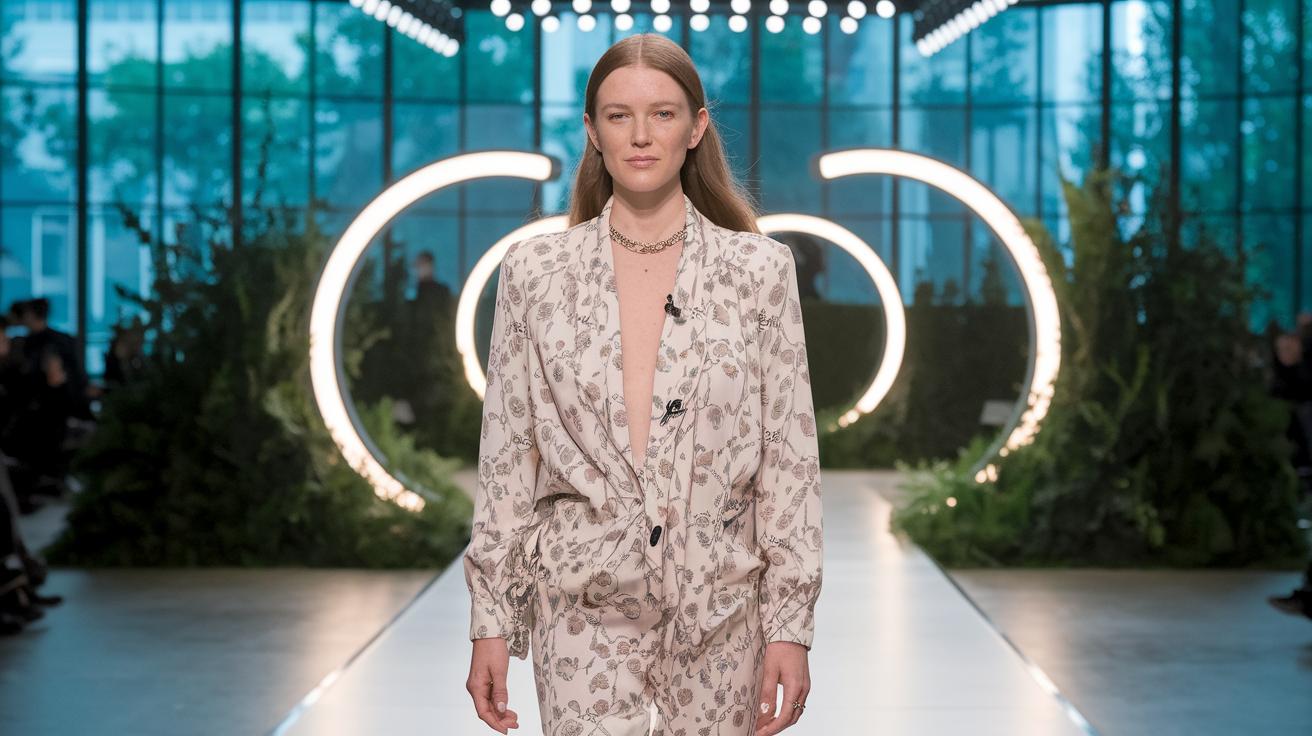
Stella McCartney leads the way toward a future where every design cares for our planet. She believes the fashion scene is set to change, swapping old methods for renewable materials and clever, circular design ideas that let us reuse and recycle. Her work shows a deep passion for cutting waste and using resources wisely, creating stunning pieces that celebrate design while honoring nature. And honestly, her approach makes us stop and think about reimagining our everyday style with more care.
Other top designers share this bright vision. They’re excited that the next five years will bring a wave of thoughtful, earth-friendly innovation. With brands jumping on board to use recycled materials and circular design tactics, the industry is ready for a big change. Soon, every new collection will be a bold step toward environmental care, proving once again that fashion can be both beautiful and responsible. Isn't it thrilling to see change in action?
Final Words
In the action, this blog post brought us right into a dynamic sustainable fashion designer interview. It highlighted eco-friendly practices, ethical sourcing, and innovative textural advances that inspire change.
The discussion charted career moments from top names, shared practical design methods, and tackled real challenges faced by designers. Each section offered insights to help integrate green style ideas into everyday fashion. A positive take on the future leaves us excited to embrace clean, thoughtful design.
FAQ
What insights does a sustainable fashion designer interview provide?
The sustainable fashion designer interview delivers key eco-friendly design methods, ethical sourcing tips, and creative innovations from top designers. It covers sustainable practices, personal career journeys, and market trend forecasts.
How do designers tackle challenges with material sourcing and production?
Designers tackle sourcing issues by balancing ethical choices with competitive pricing and adapting production methods. They address seasonal supply shifts and keep consistent with clean, responsible production practices.
What ethical design techniques are used in sustainable fashion?
Designers use zero-waste patternmaking, made-to-order models, and fair-trade partnerships. These techniques help minimize waste and promote clean production methods that support both style and sustainability.
How are innovative textiles developed and applied by sustainable designers?
Innovative textiles are developed by sourcing organic materials like cotton and linen and using advanced manufacturing. Leading designers apply these eco-friendly fabrics to create collections that highlight both function and style.
What interview strategies benefit aspiring sustainable designers?
Aspiring designers benefit from using visual clips and clear storytelling about their sustainability goals. Sharing measurable impact metrics and ethical design processes helps them present a compelling, responsible brand narrative.
What future trends are predicted in the sustainable fashion market?
Future trends include more circular design practices, wider use of renewable resources, and clean clothing movements. These trends promise to boost eco-friendly collections and push the industry toward greener practices.
How does a designer’s background influence their sustainable practices?
A designer’s background shapes their commitment to ethical sourcing and innovation. Personal experiences and industry milestones contribute to a unique design philosophy that drives responsible, sustainable fashion.