Trends
Fashion Trend Forecasting: Inspiring Future Styles
By davidblaine
November 21, 2025
Field Notes
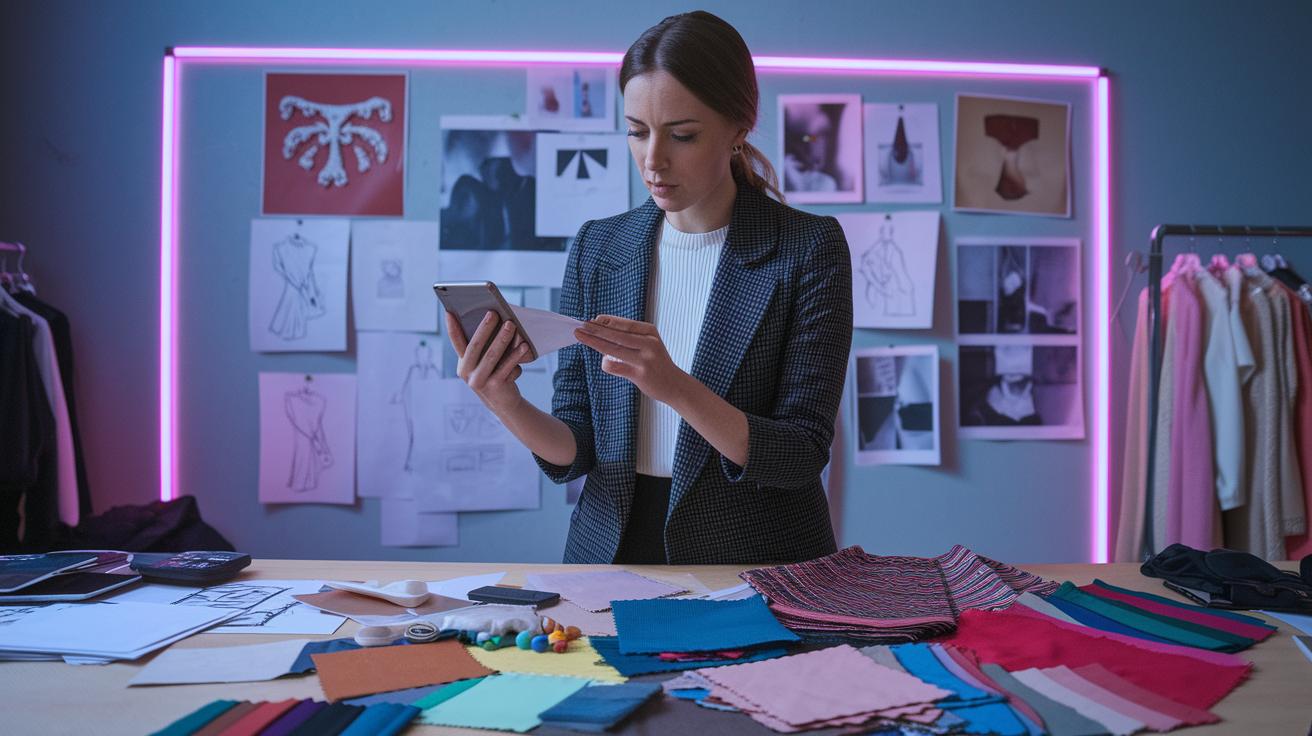
Ever wondered if our style is all about following a fixed formula or just instinct mixed with numbers? Trend forecasting isn’t merely a wild guess. It’s a creative blend of cultural insights, solid facts, and a little personal magic.
Designers spot subtle cues in everyday street looks and notice the soft shimmer of lights on fabrics. They use these hints to craft collections that not only capture the cool vibe of today but also hint at what’s coming next.
This smart mix of data and inspiration guides our look today towards tomorrow’s style.
Fundamentals of Fashion Trend Forecasting
Fashion trend forecasting is the skill of guessing what design styles might come next by mixing cultural insights, crunching numbers, and adding a dash of creative instinct. It looks at silhouettes, textures, graphics, colors, and fabrics to shape design decisions. I recall a designer saying, "When I saw the reflective glimmer on a rainy day, I knew a new look was coming." This mix of gut feeling and deep research lights a spark for new ideas instantly.
Short-term forecasting is all about what's coming in the next 12 months or so. It zooms in on quick changes like fresh colors, fabrics, prints, and even the way clothes are put together. Some folks call this micro trend analysis. On the flip side, long-term forecasting spans 5 to 10 years. This approach digs deep into big cultural shifts, the call for sustainability, and even breakthroughs in technology. It lays out a roadmap for the entire market, blending practical details with a burst of creative flair. Truly transformative.
At its core, fashion trend forecasting is about guiding product design and market strategy. Designers plan collections based on what they think shoppers will love. Data-driven insights let brands fine-tune their style and keep things fresh. With these predictive ideas, designers mix current trends with new inspiration for upcoming seasons. Embracing modern forecasting turns runway dreams into smart strategies, ensuring every collection feels today’s vibe while hinting at tomorrow’s style.
Methodologies and Data Sources in Fashion Trend Forecasting
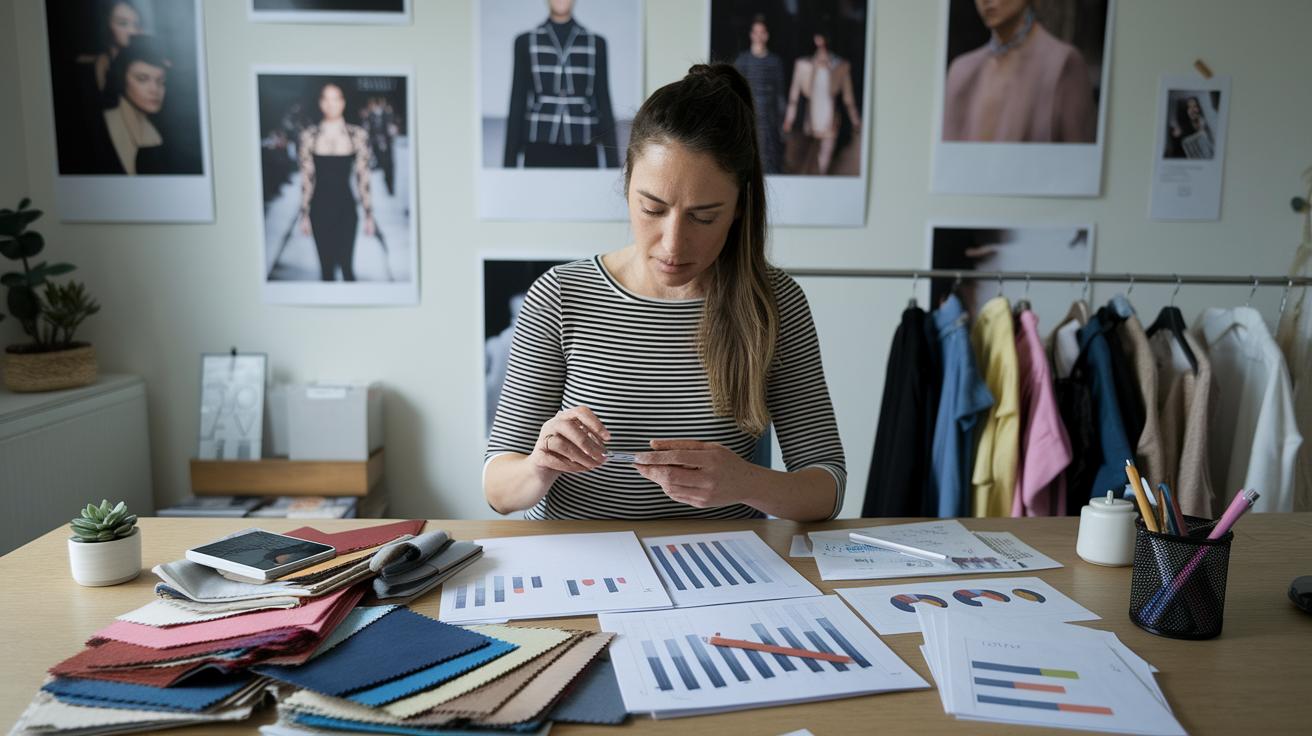
Forecasting fashion trends is part art and part careful number crunching. Analysts mix their gut feelings with solid data as they check out runway shows, monitor retail numbers, and watch urban street styles. They’re always on the lookout for that perfect detail, like the sparkle of sequins or the gentle rustle of fabric, which sets the stage for what’s next.
They also dive into social media chatter to catch a hint of emerging trends, whether it's soft pastel shades or the cool crisp feel of breezy linens. By combining these keen observations with hard facts, they shape forecasts that guide design and production decisions.
- Runway shows and collections
- Retail sales figures
- Street style and influencer vibes
- Social media insights
Blending these insights helps designers spot both small bursts of emerging trends and larger shifts in consumer tastes. With digital tools and smart analytics, they turn raw, varied details into clear, actionable ideas. The result is a thoughtful balance of creativity and logic that drives fashion’s ever-changing scene.
AI and Technology in Fashion Trend Forecasting
Artificial intelligence is totally shaking up how we predict fashion trends. It sifts through huge piles of runway photos, store data, and social media chatter to turn raw numbers into clear insights. Designers even get a quick peek at future styles , thanks to fast analysis of shows like those at International Fashion Weeks.
Machine learning is like that friend who spots the tiniest details. It picks up on changes in how people dress, whether it's a sudden surge in a trendy silhouette or a soft shift in fabric vibes. In a way, these smart systems read the room, helping designers see where the style scene is headed.
Advanced predictive models take things even further. By using real-time data, they help brands cut down on waste and manage inventory more wisely. The outcome? A flexible, on-the-spot forecasting process that turns subtle data hints into bold, inspiring future styles.
Seasonal and Color Forecasting in Fashion Trend Forecasting
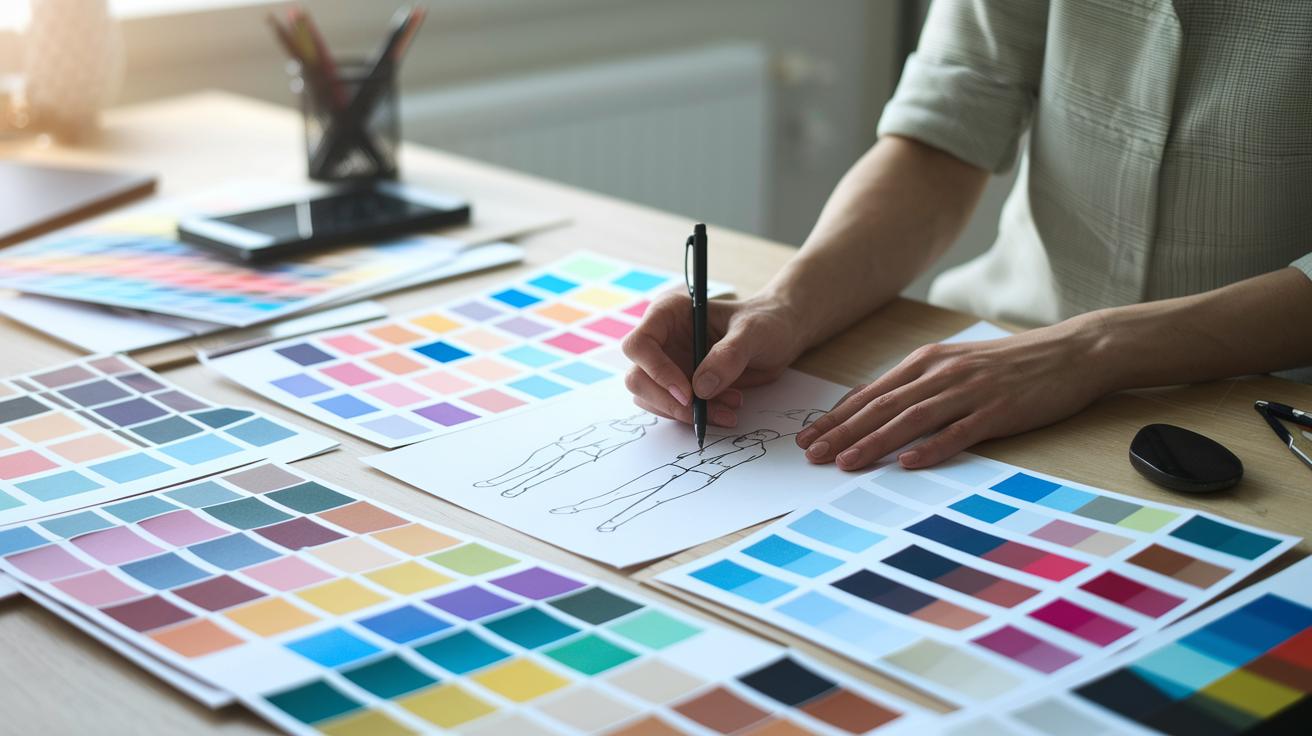
Designers start planning their collections up to 18-24 months ahead. They look at fresh color trends and new fabric technology to mix exciting hues with practical wear. Sometimes bold shades are combined with eco-friendly choices like organic cotton or recycled fibers. This planning sets the season's mood and hints at what we might love next.
Good planning makes sure collections feel both creative and useful. Designers keep an eye on current trends such as soft pastel tones, crisp structured shapes, and breezy linens that match today’s style. At the same time, they study eco-friendly fabrics to support sustainability. They tweak colors and textures as trends shift and tastes evolve.
| Color Palette | Fabric Trend |
|---|---|
| Soft Pastel Tones | Breezy Linens |
| Bold Optimistic Hues | Organic Cotton |
| Earthy Neutrals | Recycled Fibers |
In practice, designers use these forecasts to shape collections that connect with what people want. By blending color predictions with fabric insights, they create lines that feel timely and set the stage for future style trends.
Key Agencies and Platforms in Fashion Trend Forecasting
Big forecasting firms are busy turning global runway looks and retail data into detailed reports that everyone in the industry relies on. They sift through fashion weeks and big events to offer fresh insights that feel just as exciting as watching sequins glimmer under soft lights. And you know, famous names like Vogue and Bazaar also drop in with their own comprehensive runway reviews, making the whole forecasting scene even richer. It’s like having a backstage pass to the latest trends.
A mix of free tips, budget-friendly ideas, and high-end resources means there's something for every style lover and designer, no matter their budget. Some digital platforms, like trendy eBooks on fashion and new tech tools for smart analytics, offer bite-sized trend ideas for free or at a low cost, perfect for a quick daily fix. Then, on the other side, premium services might set you back up to $25,000 a year, but they come packed with deep-dive reports, detailed data, and custom predictions that feel like they were made just for your creative journey. Designers often mix and match by creating mood boards on Pinterest, blending free insights with high-end research to get a full picture of what’s hot.
At the end of the day, picking the right platform depends on your personal goals and the resources you have. Emerging trend agencies and snazzy data tools can really help you mix creative vision with smart insights. Whether you lean toward free online tips or invest in detailed reports, finding the right balance is key. This blend makes trend forecasting feel like your secret weapon to spark future fashion styles.
Applying Fashion Trend Forecasting: A Designer Case Study

A visionary designer grew her brand from nothing to over $100,000 in yearly sales, all while working just 35 hours a week. She did this by using fashion trend forecasting, which is a smart way to predict what’s going to be popular. By catching market micro trends early and studying retail style predictions, she really tuned in to what customers wanted in her collections.
Mood boards made up of vivid color themes, often sourced from Pinterest, helped her shape the look for upcoming seasons. This hands-on use of future fashion insights did more than just boost her sales; it also secured her brand’s spot in the competitive market.
So, what’s the takeaway? Designers can use these micro trend signals to tweak their strategies on the fly and better engage with their audience. Relying on both data and inspiring visuals, she managed her production and inventory with precision. Curious to learn more about using forecast guidance in your collection planning? Check out “Walking the Catwalk” at https://bloomednews.com?p=139. In essence, mixing creative vision with smart analysis can really pay off in the fashion industry.
Career Paths and Skills in Fashion Trend Forecasting
Trend forecasters mix creativity with a keen analytical mind. They’re curious and always on the lookout, catching hints from art, movies, and everyday scenes. And you know what’s cool? They can spot even the smallest detail, a quirky silhouette or a sudden pop of color, that gives away a bigger trend. It’s almost like they’re cracking a secret code right before your eyes.
Many jump into forecasting with backgrounds in marketing, business, history, or creative arts. Internships at trend agencies or within brand merchandising teams can be golden; they let you dive straight into real projects. Imagine blending what you learned in class with hands-on cultural research! A history major, for example, might see cultural shifts in a fresh light, while someone from business could really nail market patterns.
Job options are wide open too, from entry-level roles in style analysis to high-level consultant gigs. A proactive attitude is crucial; sometimes reaching out via cold applications or directly contacting trend research teams can really pay off. So whether you’re working in-house or with an agency, early practical experience and a fierce passion for style can fast-track your career in this ever-evolving field.
Future Innovations in Fashion Trend Forecasting
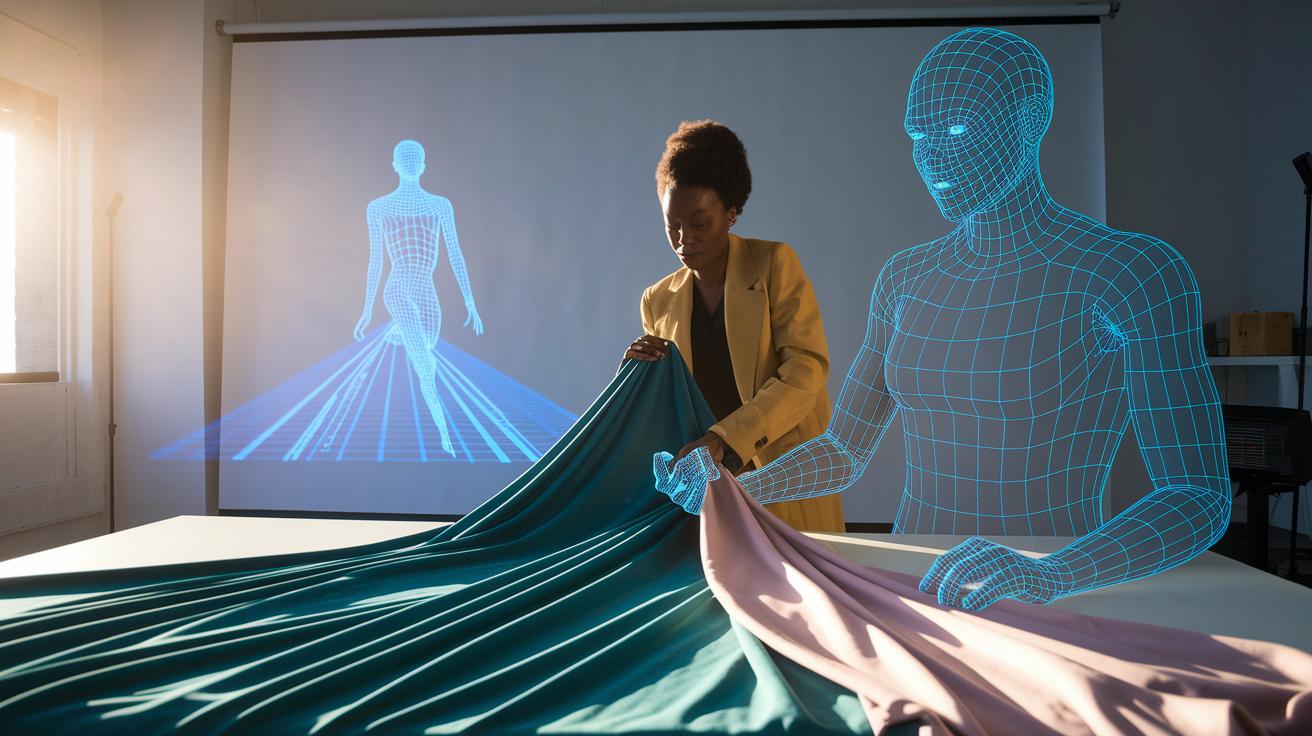
Fashion trend forecasting is getting a fresh, green twist. Today, designers are shifting gears toward sustainability with circular designs, biodegradable fabrics, and ethical sourcing. They use smart models that not only look good but also keep our planet happy. It’s like mixing art with a heart, knowing that every choice matters.
And then there’s the digital magic. Virtual garments, metaverse avatars, and online buzz now play a big role in predicting trends. Analysts peek at digital styling cues just like they watch runway shows, blending the real with the virtual. This creates a whole new vibe that shakes up old ideas and sets the stage for cool, fully fused style narratives.
Now, let’s talk about AI. Advanced tools are stepping in to fine-tune style directions by crunching data faster than ever. Machine learning and real-time influencer insights help brands plan smartly, cutting down waste and keeping trends fresh. With AI customizing designs to match what we love, the future of fashion feels both personal and forward-thinking.
Final Words
In the action of breaking down the art and science behind trend insights, we traced everything from seasonal shades to smart, data-driven forecasts. The post revealed how micro and macro perspectives blend creative instinct with digital techniques, spotlighting case studies and career clues. Each piece paints a picture of how designers, analysts, and technology shape style. With colorful insights and inspiring real-world examples, remember that fashion trend forecasting not only predicts the next look, it fuels inspiration and innovation.
FAQ
What trends are forecasted for 2025 in fashion?
The trend forecast for 2025 highlights emerging color palettes, innovative silhouettes, and fresh fabric choices driven by cultural shifts and tech influences. It guides designers and retailers.
What does fashion trend forecasting predict for 2026?
The forecast for 2026 projects broader cultural shifts impacting styles and materials, emphasizing sustainability and evolving consumer behaviors that shape future collections.
Where can I find fashion trend forecasting websites?
Fashion trend forecasting websites offer curated insights from runways, retail data, and social media buzz, providing accessible, real-time reports and design inspiration.
Where can I download a fashion trend forecasting PDF?
Fashion forecasting PDFs deliver detailed reports covering seasonal and long-term trends, offering comprehensive design insights and data-driven style predictions for industry professionals.
What are fashion trend forecasting courses?
Fashion trend forecasting courses teach techniques in cultural research, data analysis, and creative prediction, blending theory with practical projects to prepare aspiring forecasters.
What is a noteworthy fashion trend forecasting book?
Fashion forecasting books compile expert insights, data analysis methods, and creative predictions, serving as practical guides that blend research with industry trends.
What kinds of jobs exist in fashion trend forecasting?
Jobs in fashion trend forecasting involve analyzing cultural trends, retail figures, and social media signals to inform design collections and market strategies, offering roles in both agency and in-house settings.
What is trend forecasting in fashion?
Trend forecasting in fashion combines cultural insight, data analysis, and creative instinct to predict future styles, providing guidance for product design and retail planning.
How do you create a fashion trend forecast?
Creating a fashion trend forecast involves gathering data from runways, street style, and social media, then analyzing this information to predict future colorways, fabrics, and silhouettes for collections.
How can I become a fashion trend forecaster?
To become a fashion trend forecaster, build skills in research and data analysis, pursue relevant courses and internships, and gain practical experience to boost your understanding of style and market trends.